


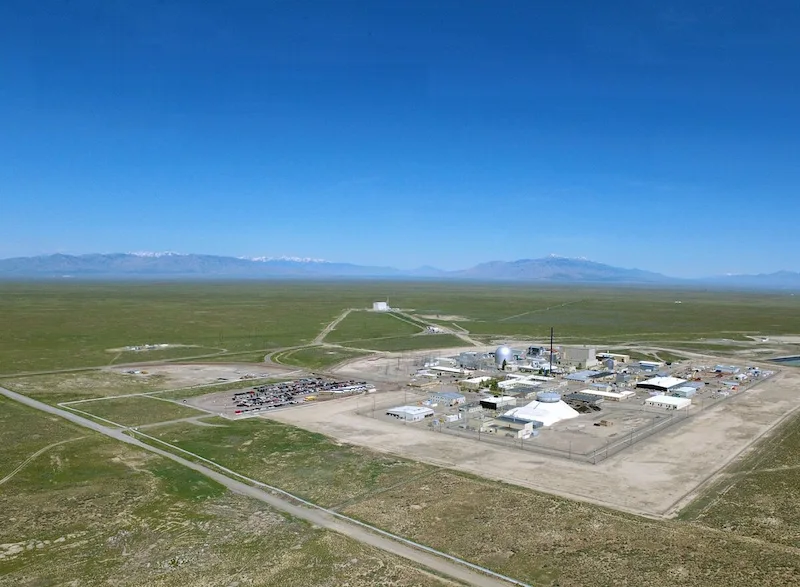


Idaho National Laboratory (INL), nestled in the barren high desert, is at the forefront of the global resurgence of nuclear energy. With a legacy dating back to 1951, when researchers at the facility generated electricity from splitting atoms for the first time, INL has been instrumental in the development and testing of nuclear reactor designs. While it has been 50 years since the last reactor was switched on at the site, INL is now poised to shape the future of the nuclear industry. However, recent setbacks, such as the cancellation of a major project, highlight the challenges that lie ahead.
Numerous companies are currently working on advanced reactor designs, aiming to create smaller and more cost-effective models than the traditional large-scale plants. INL, with its extensive facilities for evaluating reactor cores, fuels, and other critical components, has become a prime destination for these companies. Rigorous testing is vital to ensure the safety and reliability of these new designs before deployment. The research conducted at INL in this decade will undoubtedly influence the trajectory of the nuclear industry throughout the rest of the century, and scientists at the lab are eager to embark on this journey.
The need for carbon-free nuclear technology has been emphasized by research groups like the International Energy Agency, calling for its aggressive expansion to combat climate change. However, startups in the industry have been confronted with rising costs and a slow regulatory approval process. In a blow to the industry's revival, NuScale Power Corp. recently canceled plans for a commercial power plant at the INL site, which would have utilized small modular reactors (SMRs). Increasing material costs and higher interest rates made the project financially challenging, making it difficult to attract enough customers. This setback signifies the difficulties in commercializing advanced reactors in the United States.
INL, often referred to as America's nuclear energy laboratory, has two core missions: maintaining the existing fleet of reactors and developing the next generation of power plants. While 52 reactors were built and operated at the site during the technology's rise, the last one was commissioned back in 1973. The past few decades have seen a decline in the nuclear industry, with some facilities at the national lab being mothballed. However, there has been a recent resurgence of interest. A massive containment dome, which was formerly slated for demolition, may prove crucial for future developments.
The containment dome, standing at 80 feet high, is composed of 12 inches of concrete and an inch of steel, designed to contain radiation during reactor testing. With augmented reality goggles, visitors can experience a virtual rendition of the facility, visualizing intricate machinery within the cavernous interior. Although the timeline for the completion of Reactor number 53, likely to be Marvel, has been pushed back to 2025, optimism prevails at INL. Multiple reactors are in the pipeline, with different designs and sizes, revolutionizing the industry with new ideas.
While challenges and delays are expected in nuclear projects, they emphasize the reality of the industry. Nevertheless, scientists at INL remain confident that some of these designs will surely succeed. But the resurgence of the nuclear sector prompts broader questions. Critical environmental groups like Greenpeace strongly oppose nuclear energy due to the production of long-lasting hazardous waste. They advocate for the prioritization of wind and solar power over nuclear. Governments worldwide also support renewable energy, aiming to triple its capacity by 2030.
Supporters of nuclear energy, however, believe that INL's research is indispensable. As the second-largest source of carbon-free energy after hydropower, nuclear power has the potential to play a significant role in reducing emissions. The United States is leading the way in advocating for global atomic capacity to triple by 2050. Furthermore, the emergence of new reactor designs, with smaller sizes and enhanced capabilities, may facilitate the industry's expansion. These reactors can be built in factories and assembled on-site, offering potential opportunities for nuclear power in new markets worldwide.
In conclusion, INL's research and testing play a pivotal role in the revitalization of the nuclear industry. The challenges and setbacks faced by companies in commercializing advanced reactors underline the difficulties associated with expansion. Environmental concerns and the push for renewables also pose a significant challenge. Despite these obstacles, the scientists at INL remain committed to their work, recognizing the potential impact it may have on the world. As the one-of-a-kind "Disneyland for nuclear energy," INL's journey to shape the future of nuclear power is just beginning.