


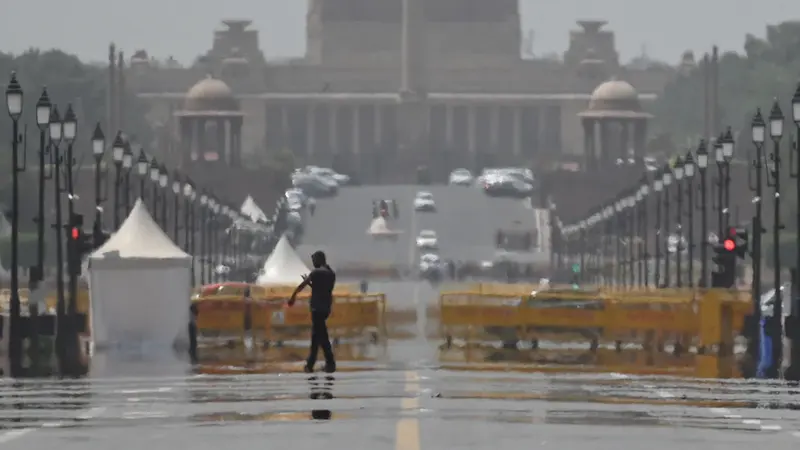


As an unprecedented heatwave continues to grip large parts of Asia, temperature records are being shattered across the continent with little relief in sight. The brutal April heat is affecting countries in South and Southeast Asia, with some countries posting their highest-ever recorded temperatures this week. On Tuesday, Laos set a new all-time record as Luang Prabang reached 42.7°C (109°F). Meanwhile, Thailand topped 45°C (113°F) for the first time over the weekend, while neighboring Myanmar set an April temperature record on Monday as Kalewa reached 44°C (111°F).
The heat in Thailand has been compounded by an intense smog season that has caused pollution levels to spike. The tourist hotspot of Chiang Mai in the north ranked as the world’s most polluted city for seven straight days as smoke from forest fires and widespread crop burning deteriorated the air quality. The scorching temperatures have also been widespread across China, with over 100 weather stations in 12 provinces breaking their April temperature record on Monday.
Although not record-breaking in most cases, the heat has also been prevalent and deadly across South Asia. Pakistan, India, Nepal, and Bangladesh have all seen temperatures topping 40°C (104°F) for many days. In India’s western Maharashtra state, at least 13 people died from heatstroke after attending a state award ceremony on Sunday. More than 1 million people attended the event in Navi Mumbai, and between 50 to 60 people were hospitalized, according to a city police official.
Heatwaves in India usually take place between March and July, but in recent years these hot spells have become more intense, more frequent, and longer. Last year, India experienced a searing heatwave, where parts of the country reached more than 49°C (120°F). As the impacts of the human-caused climate crisis accelerate and global temperatures continue to rise, scientists say heatwaves will only become more common.
According to a 2022 study, dangerous heatwaves will be between three and ten times more frequent by the turn of the century. In the tropics, which encompasses much of Asia, people could be exposed to dangerous heat most days of the year, the study found. Days of “extremely dangerous heat” – which is defined as 51°C (124°F) – could double, and experts say those levels of heat push the limits of human survivability.
Extremely hot temperatures across South and Southeast Asia are expected to continue. Meanwhile, cooler conditions are on the way for much of China as temperatures are forecast to fall from around 10°C (18°F) above average to 10°C (18°F) below average this weekend.