




Australia is experiencing a double whammy of extreme weather conditions as a tropical cyclone rapidly intensifies off its northern coast while millions of people endure a relentless heatwave. Severe tropical cyclone Jasper has strengthened to the equivalent of a Category 4 hurricane, with maximum winds of 220 kilometers per hour (138 mph). Meteorologists warn that further intensification is possible, and they cannot rule out the formation of a Category 5 cyclone. This makes Jasper the earliest Category 4 cyclone to form in the Coral Sea since records began in 1900.
Located 1,195 kilometers (742 miles) northeast of Queensland and moving south at 9 kph (6 mph), Jasper poses a potential threat to coastal areas, with forecasts indicating that it could strike near Cairns, a city with a population of 250,000, by early Tuesday. However, the projected path of the cyclone is subject to change.
The arrival of this cyclone is notably early for the region, considering the prevailing El Niño climate pattern. El Niño usually results in reduced rainfall along Australia's east coast, and it has had a significant impact on global weather patterns this year. Jasper's formation during this season demonstrates the influence that El Niño can have on storm activity.
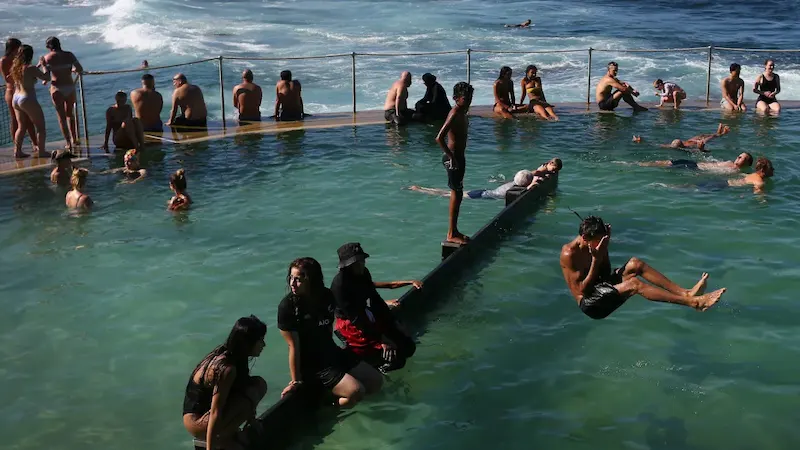
As the cyclone gathers strength off the coast, Australia is also bracing for scorching heatwave conditions. Heat warnings have been issued in several states and territories, including New South Wales, which is home to over 8 million people. The capital city of Sydney is expected to reach a sweltering 40 degrees Celsius (104 Fahrenheit) on Saturday, fueled by strong and dry winds. These conditions have forced some schools to shut, and a total fire ban is in effect in certain regions due to the heightened bushfire risk.
In parts of South Australia, a "catastrophic" fire rating has been issued, indicating that the potential loss of lives and properties is highly likely if a fire breaks out. Extreme fire danger ratings are also in place in parts of New South Wales and Victoria. Fortunately, the heatwave is expected to weaken slightly towards the end of the weekend and into early next week.
Australia is no stranger to the impacts of extreme weather events, as it is one of the most vulnerable countries to the effects of the climate crisis. Heatwaves, intense rainfall, and devastating bushfires are common occurrences in the country. Earlier this year, a heatwave during Australia's warmest winter caused over 20 runners in the Sydney Marathon to be hospitalized. Ski resorts, including the country's largest, Perisher, closed early due to a lack of snow. The traumatic memories of the catastrophic 2020 Black Summer fires, which consumed millions of hectares of land, claimed lives, and destroyed thousands of homes, are still fresh in the minds of many Australians.
As Australia bears the brunt of both a rapidly intensifying cyclone and a relentless heatwave, authorities and residents remain vigilant and prepared for potential dangers. The challenges posed by these extreme weather events highlight the ongoing need for effective climate crisis mitigation and adaptation measures.