


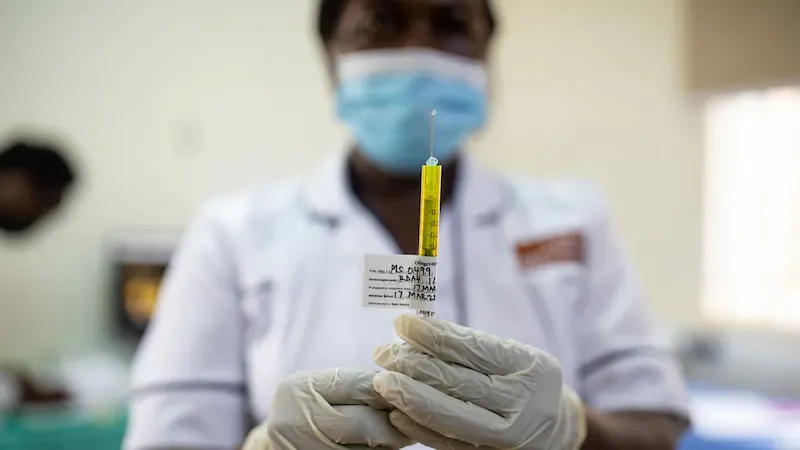


In a significant setback for the medical community's ongoing quest to develop an effective HIV vaccine, a large-scale vaccine trial has been halted due to disappointing results. Dubbed as this decade's "last roll of the dice," the PrEPVacc prevention study was testing two experimental HIV vaccines alongside a new form of oral pre-exposure prophylaxis (PrEP). African researchers, with support from European scientists, led the trial. Although the safety of the vaccines used in the trial was not a concern, their ineffectiveness in preventing HIV prompted investigators to stop the vaccine component while recommending the continued use of oral PrEP.
The failure of the experimental vaccines is a major setback for HIV research, as scientists have encountered numerous obstacles since the first HIV vaccine trial commenced 36 years ago. While new HIV infections have decreased significantly since the mid-1990s, with 39 million people currently living with the infection worldwide, the medical community still lacks a functional vaccine. Of particular concern is the high prevalence of HIV among women and girls, with young women accounting for 77% of new cases in sub-Saharan Africa.
The PrEPVacc trial involved 1,500 volunteer participants from Uganda, Tanzania, and South Africa, with 87% of them being women. Pontiano Kaleebu, Chief Investigator of the trial, emphasized the need for new approaches and technologies to develop an effective HIV vaccine. He also stressed the importance of cultivating a new generation of leaders to tackle this critical health goal for Africa. With no ongoing HIV vaccine trials worldwide, Kaleebu emphasized the urgency behind achieving this goal.
Dr. Eugene Ruzagira, the director of PrEPVacc, shared his optimism for the future despite the high scientific hurdles involved in HIV vaccine development. He expressed confidence that a vaccine would eventually be developed and commended the participants for their willingness to make a difference in their communities. The trial allowed the researchers to establish crucial relationships with the communities involved.
Participants like Luwano Geofrey, the first trial participant from Masaka, Uganda, displayed tremendous courage in taking part in the research. Overcoming initial misinformation and social stigmas within his community, Geofrey has gained the deep gratitude of his community for his participation.
The full results of the vaccine component of the PrEPVacc trial are slated for publication in the summer of 2024. In the meantime, the disappointing outcome of the trial necessitates the exploration of new vaccine approaches and technologies to accelerate the development of an effective HIV vaccine. The global medical community must reinvigorate its efforts and collaborations to address the urgent need for an HIV vaccine.