


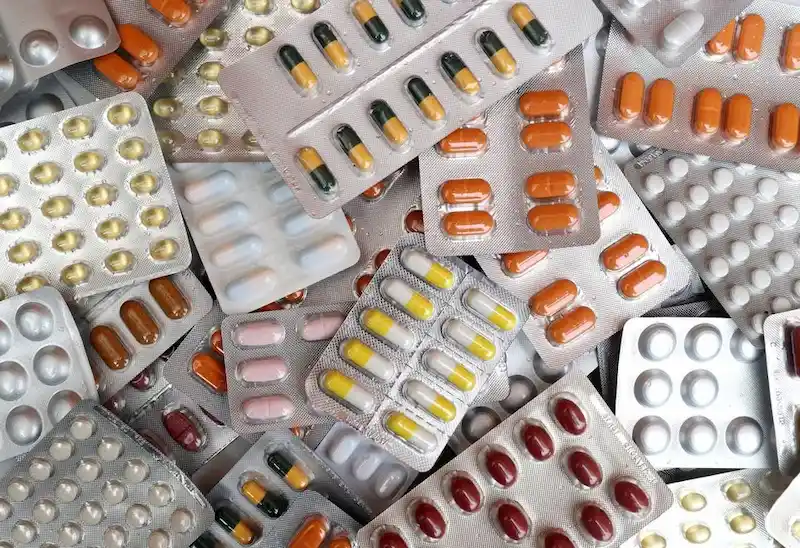


Major pharmaceutical companies, such as Pfizer, Sanofi, and Takeda, are planning to increase the prices of more than 500 drugs in the United States starting from early January. This information was obtained from a thorough analysis conducted by healthcare research firm 3 Axis Advisors. However, it is important to note that this number includes different doses and formulations, so the actual count of affected brands is over 140.
These anticipated price hikes come ahead of the Biden Administration's plans to release significantly discounted prices for 10 high-cost drugs in September. Additionally, the pharmaceutical industry is currently grappling with rising inflation and manufacturing costs. Furthermore, under President Joe Biden's Inflation Reduction Act (IRA), the Medicare health program will have the power to directly negotiate prices for certain drugs starting from 2026.
Concerns have also arisen regarding potential disruptions to the supply chains due to an ongoing conflict in the Middle East. This could result in shipping companies having to halt or reroute their traffic through the Red Sea, which is the primary East-West trade route globally.
On the other hand, at least three companies, including GlaxoSmithKline, are expected to lower prices on around 15 drugs in January. This move follows several companies already announcing price reductions for insulins earlier this year to avoid penalties imposed under the American Rescue Plan Act of 2021. This act requires drug companies to rebate the Medicaid program if their price increases surpass inflation. Starting in January 2024, these rebates may even exceed the actual net cost of the drug.
Antonio Ciaccia, President of 3 Axis Advisors, expressed concerns about the impact of these policies on major former blockbuster insulins, stating that they will face substantial challenges. However, many drugmakers have been keeping their price increases around 10% or below, attempting to avoid the public scrutiny they faced in the mid-2010s. Even with the current higher inflation rates, companies have not significantly accelerated their price hikes on existing products.
Notably, Pfizer leads the pack by announcing the highest number of price increases for January, with plans to raise prices on 124 drugs. An additional 22 drugs under its Hospira arm will also see an increase. Other pharmaceutical companies, such as Baxalta and UCB Pharma, are also planning a significant number of price hikes.
It is worth mentioning that the list prices mentioned in this analysis do not reflect potential rebates or discounts provided to pharmacy benefit managers and other parties. The drug companies mentioned in the study have not commented on these planned price increases.
Overall, 2023 is expected to witness more drug price announcements throughout January, historically the month in which drugmakers tend to raise prices the most. While there has been some scaling back of price increases on established drugs, prices for newly launched drugs have reached record levels, exceeding $220,000 in 2022. This reflects a 20% annual increase in drug launch prices between 2008 and 2021, according to a study published in the Journal of the American Medical Association (JAMA).