


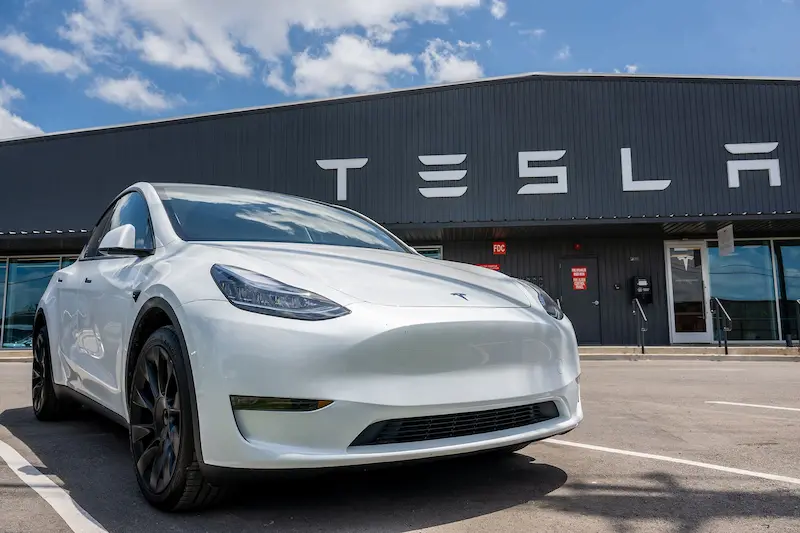


Tesla, the Austin-based electric vehicle (EV) maker, is set to announce that it achieved another record-breaking year in deliveries in 2023. While the company has amassed a loyal fanbase of Elon Musk enthusiasts and tech-savvy early adopters, it now seeks to broaden its appeal and win over everyday buyers who prioritize factors such as affordability and convenience in their vehicle choices. Tesla's Chief Financial Officer, Vaibhav Taneja, emphasized the importance of capturing the next wave of EV adopters during an investor call in October.
However, Tesla faces several obstacles in reaching this target market. Inflation and high interest rates have made consumers more cautious about major purchases, including vehicles. Concerns about safety and the availability of charging infrastructure also linger in the minds of potential buyers. Furthermore, the EV market is becoming increasingly saturated, with numerous options beyond Tesla available for consumers considering an electric transition.
In addition to these challenges, starting from January 1, some of Tesla's models are expected to lose the full $7,500 federal EV tax credit due to stricter battery-component sourcing regulations imposed by China. The company's website indicates that certain versions of the Model 3 will be affected by this change.
Despite these hurdles, Tesla made efforts in 2023 to enter the mass market by reducing prices across its vehicle lineup. These price cuts, especially significant in the Chinese market, were aimed at increasing sales volumes at the expense of profit margins.
Nevertheless, Tesla may still be overshadowed by Chinese competitor BYD Co., which boasts a more contemporary range of EVs. Tesla's latest vehicle, the much-anticipated Cybertruck, is not yet in full-scale production and is projected to take at least a year before becoming profitable, according to Musk.
As Tesla has not provided guidance on its 2024 delivery expectations, industry analysts are skeptical about the company's ability to significantly improve underlying demand in the face of an aging product lineup, increasing competition, and stagnant prices. Tesla's leading models, the Model 3 sedan and Model Y SUV, were introduced in 2017 and 2020, respectively, accounting for nearly 97% of the company's deliveries this year.
To boost sales in the future, Tesla has a few strategies at its disposal. The company refreshed the Model 3 sedan, introducing sleeker aesthetics and longer range. After initially launching the updated Model 3 in China, Tesla plans to expand its availability to Europe before arriving in the US in 2024. Additionally, a new version of the Model Y is rumored to be in the works at Tesla's Shanghai factory.
In terms of marketing, Tesla has traditionally relied on its strong brand reputation without resorting to traditional advertising. However, the company has recently started experimenting with Google ads and even released an ad highlighting the lease option for the Model Y at $399 per month.
Industry experts believe that Tesla is making significant efforts to capture the attention of prospective customers. The Cybertruck's unique design has attracted curious buyers to Tesla showrooms, and the company's executives, such as design chief Franz von Holzhausen and VP of vehicle engineering Lars Moravy, are actively promoting Tesla's products. Owuraka Koney, managing director at Jennison Associates, which holds a stake in Tesla, remains optimistic about the company's position in the global EV market, stating that Tesla and BYD are still the primary volume drivers in the industry.
As Tesla continues its quest for growth and market share, diversifying its appeal and meeting the needs of everyday buyers will be crucial. With ongoing developments and product advancements, coupled with targeted marketing efforts, Tesla remains well-positioned to navigate the evolving EV landscape.