


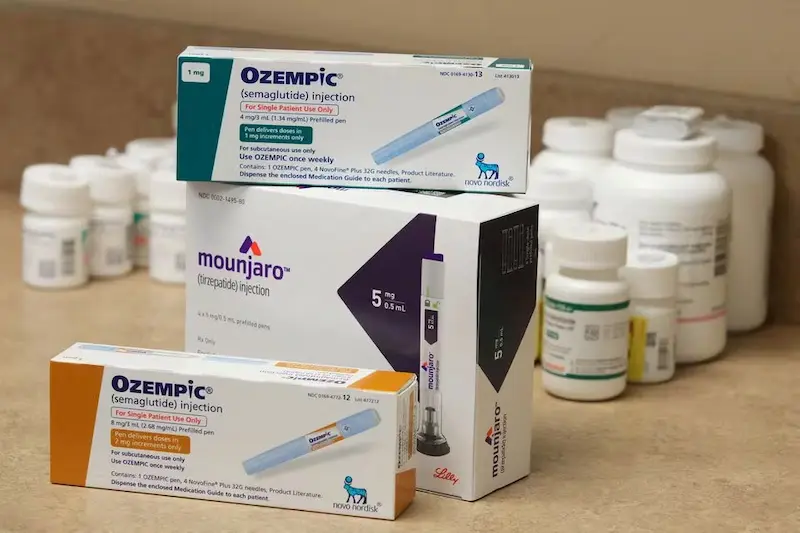


Pharmaceutical companies have recently increased the list prices of diabetes drugs used for weight loss, such as Novo Nordisk's Ozempic and Eli Lilly's Mounjaro, according to the Wall Street Journal. Although these prices may not directly impact most people due to negotiated discounts through commercial health insurance, they do play a significant role for those seeking weight loss treatments. Drugs like Wegovy and Zepbound, marketed for weight loss, are listed at over $1,000 per month, making them a costly expense for individuals who must pay out-of-pocket.
Currently, only about a fifth of employers cover prescription weight loss therapies, leaving many patients to bear the full cost of these drugs if they wish to utilize them in their weight loss journey. Surprisingly, despite their high price, the demand for these drugs appears insatiable. For example, Lilly's Zepbound saw an increase of approximately 25,000 new prescriptions per week in December, leading CEO David Ricks to express concerns about potential supply shortages.
However, the pharmaceutical companies are taking steps to incentivize patients. Both Lilly and Novo Nordisk are offering a discount of 50% to patients with commercial insurance that does not cover these drugs, which is roughly comparable to the discounts typically negotiated by insurers. This strategy aims to attract interest in the drugs by leveraging their promising clinical results, which have been deemed almost miraculous by some.
While the companies may sacrifice some immediate profits through these discounts, their long-term goal is to establish weight loss drug coverage as a standard in insurance policies. Obesity is a known risk factor for numerous major causes of death in developed nations. Betting on the accumulating evidence that supports the benefits of weight loss, pharmaceutical companies believe that wider insurance coverage will become more prevalent in the future. By pricing the drugs lower, they hope to encourage more individuals to try them and potentially become long-term customers.
A considerable risk remains with this strategy, as patients may discontinue drug use due to severe side effects, insurance coverage may remain inconsistent, or new and improved therapies could emerge to steal the market. However, given the massive potential of this market, with approximately 40% of U.S. adults classified as obese, the gamble seems worthwhile for these pharmaceutical giants.
In conclusion, pharmaceutical companies have raised the prices of diabetes drugs used for weight loss in the hope of attracting more patients and establishing wider insurance coverage. Although the cost of these drugs may be prohibitive for many individuals, the promise of significant weight loss and potential health benefits continues to drive demand. The companies are offering discounts to patients without insurance coverage, aiming to generate long-term loyalty and capitalize on the growing evidence supporting the advantages of weight loss. Despite the risks involved, given the scale of the problem of obesity in the United States, this strategy could potentially lead to substantial profits for these pharmaceutical companies.