


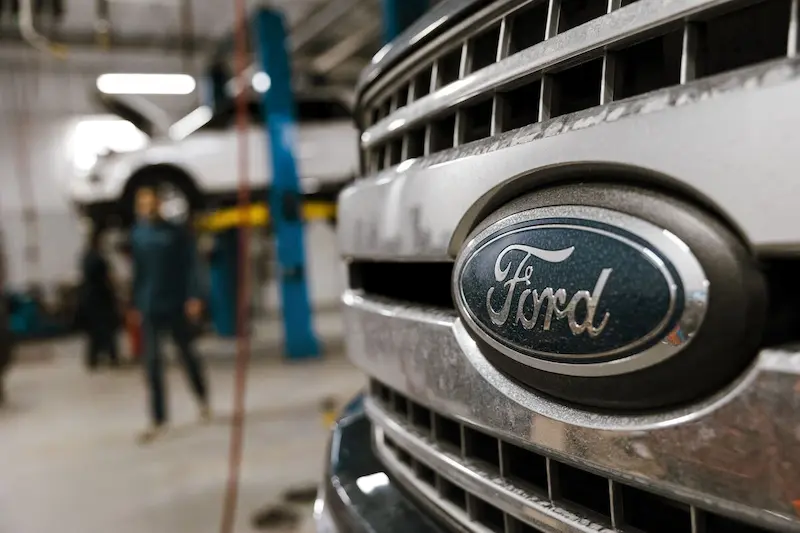


In an effort to increase profitability and combat rising inflation, Ford Motor Co. has announced plans to implement significant cost-cutting measures, which includes eliminating certain features from its vehicles, such as automated parallel parking. These measures aim to achieve $2 billion in savings by targeting various aspects of operations, including materials, freight, manufacturing, and even car design. According to Kumar Galhotra, Ford's Chief Operating Officer, the decision to remove certain technologies, based on real-time data showing their lack of popularity among drivers, is essential for achieving these cost-saving goals.
The once highly-touted automated steering feature, which assists drivers in maneuvering into and out of tight parking spaces, is among the innovations that will be abandoned. Galhotra emphasized the importance of using connected vehicle data to assess the usefulness of features and cited the auto-park feature as an example. He revealed that only a negligible number of customers utilize this technology, prompting its removal from future models. Interestingly, this particular feature costs approximately $60 per vehicle, which may not seem significant on an individual basis. However, when applied to Ford's entire vehicle production, this elimination would result in annual savings of around $10 million.
Ford's Active Park Assist, the automated steering system in question, was initially introduced more than a decade ago. Aimed at mitigating the stress associated with parking, it was developed following a collaborative study between Ford and the Massachusetts Institute of Technology. However, Ford's analysis of current consumer preferences and usage data has indicated a lack of demand for this particular capability, leading to its discontinuation.
The decision to abandon certain features and technologies demonstrates Ford's commitment to optimizing its operations and ensuring that its vehicles are equipped with features that truly resonate with consumers. By leveraging real-time data and customer feedback, Ford aims to streamline its offerings, enhance profitability, and reduce unnecessary expenses. This shift will not only help the automaker stay competitive in the market but also enable it to focus on developing and investing in features that align with customer preferences and expectations.
While the elimination of automated parallel parking may disappoint a small segment of Ford's customer base, the company's decision ultimately serves as a strategic move to enhance overall profitability and financial stability. As the automotive industry continues to evolve, staying agile and responsive to changing consumer demands becomes crucial for automakers to thrive. Ford's cost-cutting initiatives, driven by data insights, highlight its determination to adapt, cut unnecessary expenses, and prioritize investments that will bring value to its customers.