


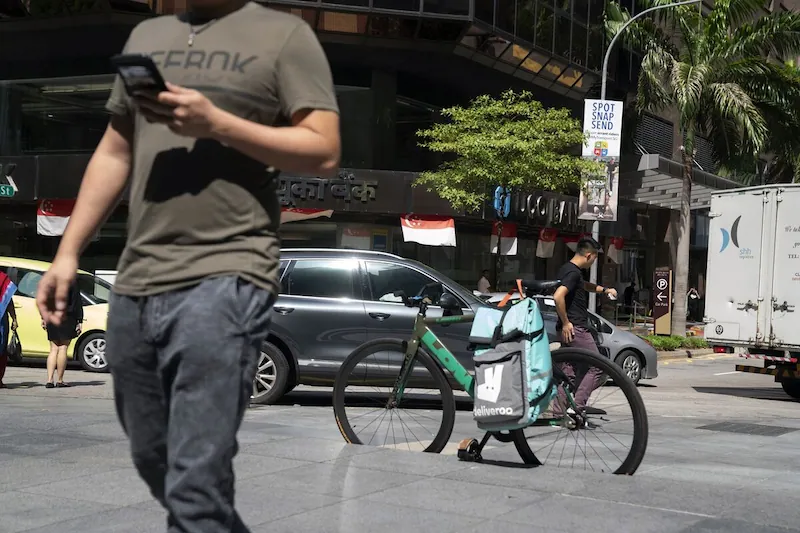


Singapore is set to implement a progressive new law aimed at elevating the welfare and security of gig-economy workers within the country. The Minister for Manpower, Tan See Leng, announced this groundbreaking development in his recent May Day address, emphasizing that the legislation will primarily focus on assisting these workers in planning for their retirement needs and ensuring they have adequate protection in the event of work-related injuries.
With the gig economy playing an increasingly significant role in Singapore's workforce, providing essential services through online platforms like Grab, Deliveroo, and Lalamove, the new law is a crucial step towards safeguarding the rights and well-being of these workers. Acknowledging the vulnerability of gig workers, the government's initiative aims to afford them a level of security and support that is often lacking in non-traditional work arrangements.
One of the key components of the upcoming legislation is the requirement for platform companies to contribute to work injury compensation and retirement funds for gig workers. By establishing these provisions, the law seeks to ensure that gig workers receive adequate financial protection and long-term savings options, aligning their benefits more closely with those of traditional employees.
Moreover, the introduction of collective representation rights for gig workers marks a significant stride towards empowering this segment of the workforce. By enabling them to have a collective voice and advocate for their rights and interests, the legislation aims to address the power differentials that can exist between individual gig workers and the platform companies they work for.
Singapore's proactive approach in enacting this law sets a positive precedent globally, showcasing its commitment to inclusive and equitable labor practices. By prioritizing the well-being of gig workers and recognizing their contributions to the economy, Singapore is taking a commendable step towards creating a more sustainable and supportive environment for all workers, ensuring that no one is left behind in the rapidly evolving landscape of work.