


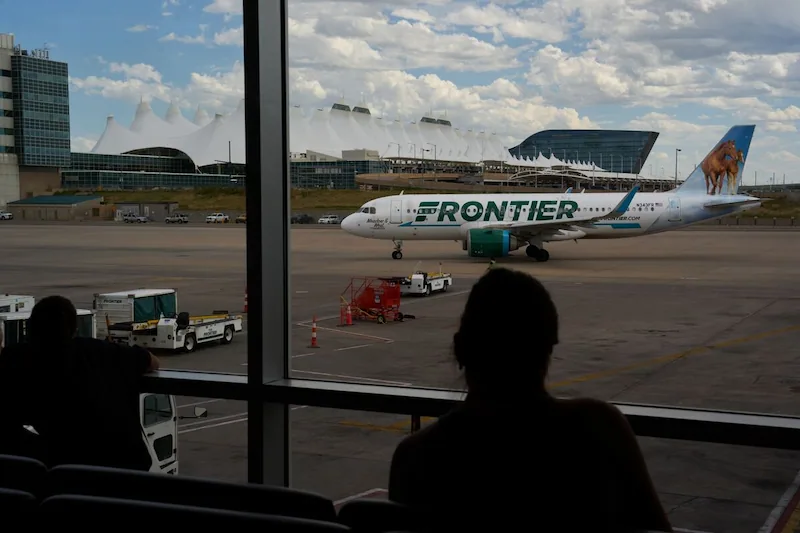


Frontier Airlines, known for its budget-friendly fares and no-frills service, is shaking things up with the introduction of new fare categories aimed at catering to a wider range of travelers in the United States. This move comes in response to the evolving preferences of passengers who are seeking more options and flexibility when they fly.
Under the new system, Frontier, a subsidiary of Frontier Group Holdings Inc., now offers four distinct fare tiers – basic, economy, premium, and business – each with its own set of benefits and services. Along with this, the airline has decided to eliminate change and cancellation fees for all fare categories except for the basic level, marking a significant shift in its customer service approach. Additionally, improved live phone support and an extended one-year validity for flight credits further demonstrate Frontier's commitment to enhancing the overall customer experience.
Prices for the various fare categories differ, with economy fares starting at a modest $30 more than basic, while premium and business options command premium rates starting at $50 and $100 more respectively. These changes reflect the changing landscape of the airline industry post-pandemic, with a trend towards offering passengers a wider range of fare options, a phenomenon known as "premiumization."
Traditionally, budget airlines like Frontier and Spirit Airlines thrived on their low-cost, high-volume model, often supplementing their revenue through ancillary fees for services such as carry-on bags, seat selection, and in-flight amenities. However, with this new pricing structure, Frontier aims to offer passengers a more personalized and comfortable flying experience, aligning itself more closely with legacy carriers that provide a range of fare classes and services to suit diverse traveler preferences.
Currently, these updated fare options are accessible only on Frontier's website, with plans to integrate them into the mobile app in the near future. The business and premium categories, which boast additional legroom, will be limited to the first two rows of Frontier's aircraft, with business fares featuring the exclusive UpFront Plus seating, ensuring the comfort and convenience of passengers with dedicated space and blocked middle seats.
In essence, Frontier's strategic shift towards offering a tiered fare system with enhanced services demonstrates the airline's efforts to adapt to changing passenger needs and preferences, positioning itself as a more versatile and customer-centric carrier in the competitive airline industry.