


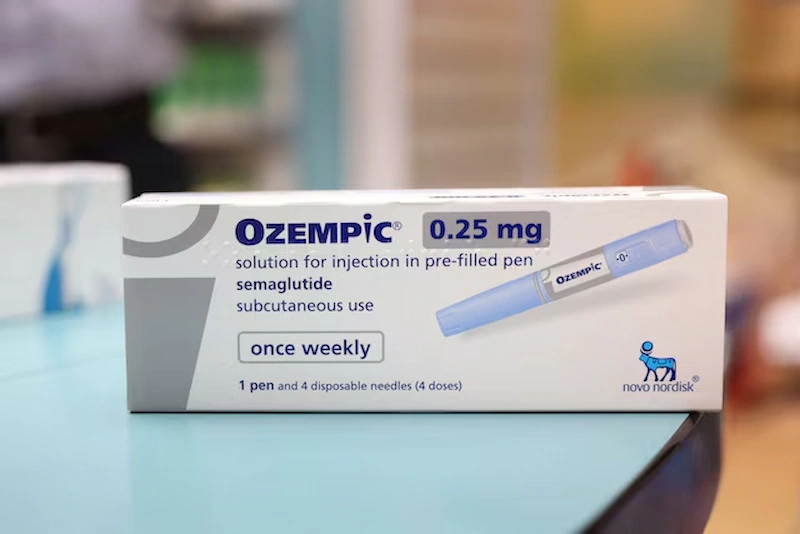


Novo Nordisk has disclosed comprehensive findings from a major trial showing that Ozempic, its therapy for type 2 diabetes, significantly diminishes the progression of kidney disease in patients and decreases the incidence of heart problems, stroke, kidney failure, and mortality. These revelations were shared at the European Renal Association conference in Stockholm and published in New England Journal of Medicine.
Originally announced in March, preliminary reports indicated that semaglutide - the active component in the diabetes treatment - reduced both kidney complications and cardiovascular events risk by 24%, over the next 3.4 years. This was for patients who had a weekly dosage of 1 milligram compared to those given a placebo.
The trial's head, Dr. Vlado Perkovic from the University of New South Wales in Sydney, Australia, affirmed that the advantages evidenced during the research demonstrate a significant clinical impact on cardiovascular, kidney, and survival outcomes for patients at high risk. This supports the potential medicinal role for semaglutide in this patient demographic.
The trial monitored 3,533 patients diagnosed with type 2 diabetes and chronic kidney disease. Over the course of the trial, kidney health was seen to deteriorate much quicker in the placebo group compared to the Ozempic group, as established via the estimated glomerular filtration rate (eGFR) metric.
Given these clear positive outcomes, an independent monitoring committee prematurely ended the trial. Ozempic is categorized as a GLP-1 receptor agonist and shares its active component with Novo Nordisk's widely successful obesity drug, Wegovy.
This research did not necessitate the inclusion of obesity as a factor but both Novo and competitor Eli Lilly (LLY.N) hope to gain broader insurance coverage for their weight-loss drugs by showcasing other beneficial medical outcomes.
When solely evaluating kidney-related episodes, such as commencing dialysis, undergoing kidney transplant, or a steep drop in kidney function, the risk mitigation mirrored the overall findings.
On another positive note, patients using Ozempic demonstrated an 18% decreased risk of major damaging heart occurrences and a 20% lower risk of mortality from any cause. However, gastrointestinal problems prompted 13.2% of Ozempic group users and 11.9% of the placebo recipients to withdraw from the study.