




In a groundbreaking analysis reshaping the future outlook of Australia's aviation infrastructure and tourism industry, a new report has revealed that almost all of the country's major airports, including Sydney and Brisbane, are on the brink of facing the gravest impacts of climate change. The Zurich-Mandala Climate Risk Index report, released on Monday, has sounded the alarm on the vulnerabilities of these crucial travel hubs to a host of climate-related disasters such as storms, floods, heatwaves, and high winds in the coming years. With 94% of Australia's busiest airports flagged for "multiple, very high risks with a very high level of impact," the report has painted a stark picture of the challenges ahead for the multibillion-dollar investments heavily favored by large pension funds.
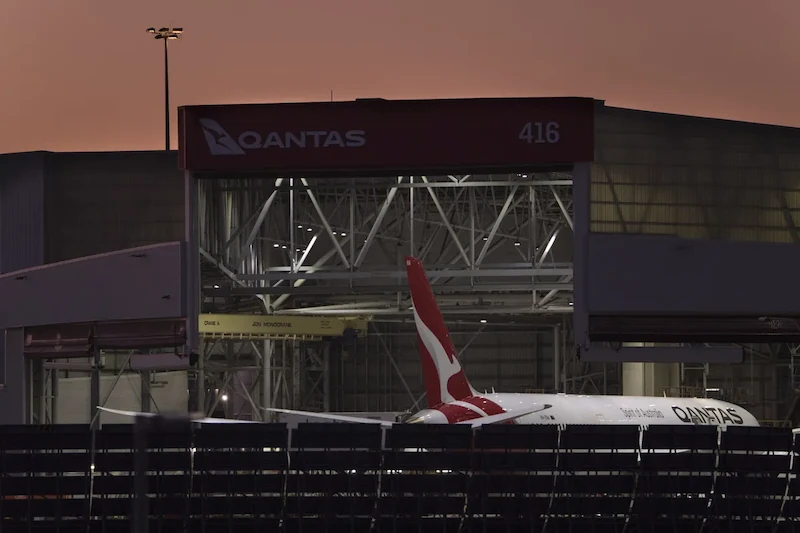
Key players in the aviation infrastructure landscape, such as IFM Investors with stakes in Sydney Airport, London Stansted, and Vienna Airport, are among those facing the storm. The report highlights the ripple effects that increasingly erratic weather patterns - a direct consequence of global warming - could have on airports, airlines (like Qantas Airways Ltd.), passengers, freight services, and the broader supply chain. Amidst the gloomy prognosis, the report does offer potential solutions to mitigate these risks. However, all remedies come with a price tag, including investments in heat-tolerant runway surfaces, flood barriers, and enhanced drainage systems.
Danny Elia, IFM's global head of infrastructure asset management, emphasized the importance of building resilience against escalating climate threats, indicating that considerations for physical risk to assets are integral from the inception of any investment. While the report primarily scrutinized Australia's A$170 billion tourism sector, covering iconic sites like Sydney's Bondi Beach and Melbourne's MCG, the findings extend far beyond just airports. With a forecasted increase in the proportion of tourism sites falling into the highest climate-risk categories with 2°C of warming by 2050, the impacts on environmental sustainability, tourism attractiveness, and accessibility are set to mount.
Delving into the granular details, the report outlines the diverse risks posed by climate change across various sectors. From floods and storms affecting coastal destinations like Bondi Beach to wildfires posing a threat to agricultural regions such as South Australia and the Hunter Valley, each location grapples with unique challenges. The suggested mitigation measures span from canopy structures shielding vineyards from heat damage to sea walls fortifying beaches against rising sea levels, underscoring the multi-faceted approach required to tackle these imminent threats head-on.
Notably, the report pinpoints certain regional airports, serving as gateways to popular tourist hotspots like the Great Barrier Reef, as particularly vulnerable to climate change. Hamilton Island Airport and Proserpine Airport are spotlighted as critical access points that require urgent attention. As the climate crisis looms larger, strategic investments and proactive measures are pivotal to safeguarding Australia's critical infrastructure and preserving the nation's vibrant tourism allure for generations to come.