




In a strategic move to capitalize on the growing demand for hybrid vehicles, Honda Motor Co. has unveiled a bold plan to double its hybrid car sales by the end of the decade. With a target of selling 1.3 million hybrids annually by 2030, Honda aims to leverage the resurgence of interest in hybrids across major global markets, with the exception of China where electric vehicles (EVs) currently dominate.
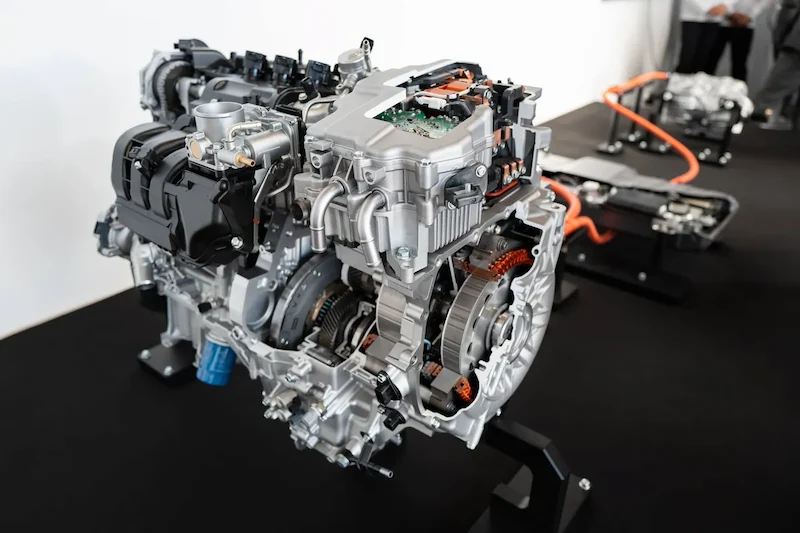
The Japanese automaker plans to achieve this ambitious goal through the introduction of two revamped vehicle production platforms and advanced gas-electric powertrains starting in 2026. These new powertrains promise increased efficiency and profitability, positioning Honda to meet upcoming stringent emissions regulations in the US, Europe, Japan, and China.
Hybrids have emerged as a key factor in the competitive landscape for Japanese carmakers, particularly in North America, where demand for these eco-friendly vehicles is expected to soar. Honda's renewed focus on hybrids comes as part of its broader commitment to carbon neutrality by 2050, with EVs and hydrogen fuel cell vehicles slated to constitute a significant portion of its global sales by 2030.
To support its electrification strategy, Honda announced a substantial investment of ¥10 trillion ($65 billion) in battery technology and other electrification advancements through 2031. Additionally, the company recently revealed plans to restructure its workforce in China, aligning its operations with the rapid shift towards electric mobility in the region.
In a bid to strengthen its EV capabilities, Honda initiated a collaboration this year with Nissan Motor Co. and Mitsubishi Motors Corp. to jointly develop batteries, software, and other EV technologies. Despite facing challenges in the alliance due to Nissan's recent setbacks, Honda remains committed to driving innovation in the electric vehicle segment and solidifying its position in the global automotive market.