


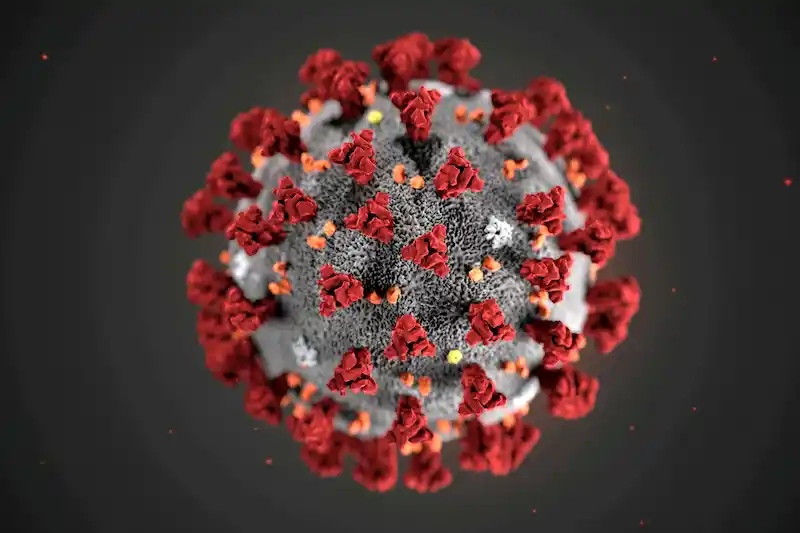


After more than 20 months, the COVID-19 Public Health Emergency in the United States is set to end on Thursday. This emergency allowed millions of Americans to receive vaccines, tests, and treatments at no cost. However, the end of the emergency will bring changes to the healthcare system, including costs for some services and changes to telehealth prescriptions.
For most people, vaccines will remain free, but tests will involve costs in certain circumstances. Treatments like Pfizer's oral antiviral Paxlovid will continue to be provided for free while the current inventory paid for by the government lasts. After that, most people will incur some costs.
Those with private or employer-provided health plans will pay nothing for vaccines if they stay in-network, but they will face out-of-pocket costs such as deductibles and co-pays for laboratory COVID tests. They will also have to pay the full cost of at-home over-the-counter tests. Individuals enrolled in state government Medicaid health plans will get zero-cost vaccines, and lab costs will also cost them nothing so long as they are ordered by a physician. However, other testing services and treatments will involve some costs.
Telehealth prescriptions will also be affected by the end of the emergency. Providers were allowed to prescribe controlled substances via telehealth during the emergency, and this flexibility has been extended to November 2024. All states had waived license requirements so that providers could practice remotely across state lines, but some states have tied that waiver to the emergency, and it will expire then. Additionally, a federal waiver of privacy and security rules for applications used to provide telehealth will expire, meaning everyday apps like FaceTime and Skype might no longer be an option as providers switch to compliant alternatives.
The U.S. Centers for Disease Control and Prevention (CDC) will also have less authority to collect certain types of public health data after the emergency expires. The CDC will stop reporting or monitoring COVID case data and transmission rates, which could affect the government's ability to track and respond to outbreaks.
Overall, the end of the COVID-19 Public Health Emergency will bring changes to the healthcare system in the United States, including costs for some services and changes to telehealth prescriptions. However, vaccines will remain free for most people, and the government has launched a $1 billion program to ensure that people without insurance continue getting vaccines and treatments at no cost.