


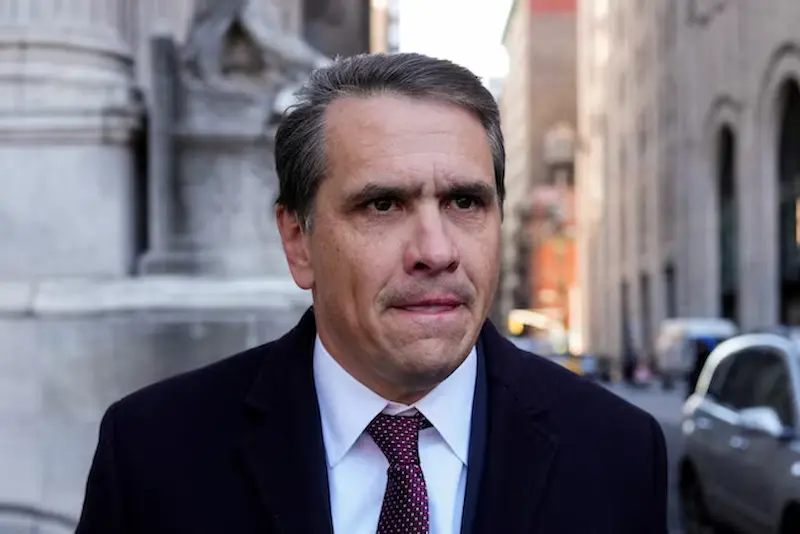


In response to a surge of politically charged statements from Trump's political appointees within the Justice Department, Deputy Attorney General Todd Blanche has implemented new restrictions on social media use for all employees. The directive, communicated to U.S. Attorneys' offices, prohibits the posting of content related to government work and cautions against any communication that could damage the department's impartiality.
While limitations on discussing non-public investigations or making politically charged statements were already in place, the new policy goes further by barring employees from including their department titles in any social media activity and reposting official government information. Additionally, it instructs employees to avoid injecting political views into their work and refrain from making comments that could prejudice legal proceedings.
The move has sparked concern among some former and current DOJ employees, with Stacey Young, a former civil rights attorney, criticizing the policy as potentially stifling employees' free speech. Young, who recently formed the advocacy group Justice Connection, believes this restriction could be used to target career public servants who do not align with the administration's views.
Instances of Trump-appointed leaders within the department violating the new policy have been pointed out, such as Leo Terrell's frequent posts in support of Trump and Aaron Reitz's accusations against "Dem-appointed judges." Criticism has also been drawn to Attorney General Pam Bondi's misleading social media post about a suspect's MS-13 affiliation, which ultimately led to the dropping of charges against the individual.
Ari Cohn from the Foundation for Individual Rights and Expression has expressed concerns over the broad nature of the new policy, emphasizing the potential for using these rules in a partisan manner to weed out employees with dissenting views. The implications of such restrictions on personal freedom of expression are troubling, as they may enable the administration to dismiss employees based on their private political opinions.
Overall, the implementation of these new social media restrictions within the Justice Department reflects the ongoing struggle to balance a government employee's personal freedoms with the need for impartiality and professional conduct.