


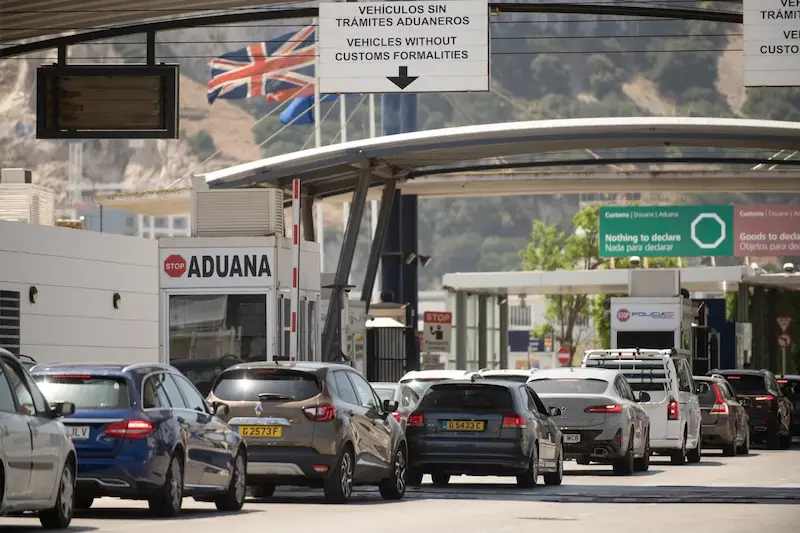


For years, the uncertain fate of Gibraltar hovered in diplomatic limbo, caught between the legacy of empire and the modern demands of European integration. But now, after painstaking negotiations and a persistent tug-of-war over sovereignty, a significant step has been taken. The European Union and the United Kingdom have come to terms on a political accord that hands Spain new responsibilities over border-related matters in Gibraltar — a move seen as key to preserving the free flow of people and goods between the territory and southern Spain.
Though the deal still requires ratification, its shape is already clear. Spain will play a central role in implementing border policies involving residency, visas, and asylum in Gibraltar. According to an EU Commission spokesperson, this role is meant to ensure the continuity of Schengen’s visa-free framework, especially once physical barriers at the frontier are dismantled.
This marks a practical — and symbolic — shift in the region's delicate balance. For the first time, Spain will have a say in a space it ceded to Britain over 300 years ago. But British and Gibraltarian officials are quick to stress: sovereignty is not on the table. The agreement, they insist, respects British control while creating more fluid systems that benefit citizens and commerce alike.
If fully enacted, the plan will remove border checks at Gibraltar’s land frontier. Instead, dual controls will be established at the territory’s airport and seaport — allowing travelers and traders to move as if there were no hard border. Spanish officials will help process visa and residency applications, but decisions — especially on asylum — will ultimately lie with Gibraltar’s own authorities. A limited number of visas may be issued for humanitarian reasons, valid only within Gibraltar.
Behind closed doors, sources familiar with the talks say law enforcement cooperation is also a part of the deal. While not made public in detail, joint policing structures could emerge, ensuring cross-border crime doesn’t flourish in the new openness.
This isn’t just about border controls or political symbolism. Gibraltar depends heavily on its connection to Spain. Around 15,000 Spanish residents cross into the territory daily to work. In a city of just 34,000, that’s a massive workforce inflow — vital for businesses, public services, and the broader economy. Any disruption to that could hurt both sides of the border. This agreement, officials argue, is as much about economics as it is about politics.
Gibraltar’s government, for its part, has welcomed the deal, highlighting the economic upsides. They see the accord as protecting the seamless movement of people while opening new avenues for trade — particularly for their booming services sector, which includes online gambling, insurance, and financial services.
Still, getting to this point wasn’t easy. The thorny issue of who controls Gibraltar’s airport nearly derailed talks multiple times. The UK remained firm in its stance that sovereignty cannot be diluted, especially over strategic infrastructure. But recent diplomatic thawing, helped along by warmer UK-EU relations under Labour Prime Minister Keir Starmer, created an opening for compromise.
This Gibraltar breakthrough follows a broader effort to repair post-Brexit relations. In May, the UK and EU struck bilateral defense and trade deals aimed at easing tensions and regulatory burdens. For Gibraltar, the outcome could signal a future that’s less marked by old rivalries and more defined by cooperation, even if the ghosts of past treaties continue to linger just beneath the surface.
What happens next will depend on how smoothly the ratification process unfolds and how both governments — and Gibraltar’s — manage the new balance of responsibilities. But for now, at least, it looks like the rock at the edge of Europe has found a firmer footing in a post-Brexit world.