


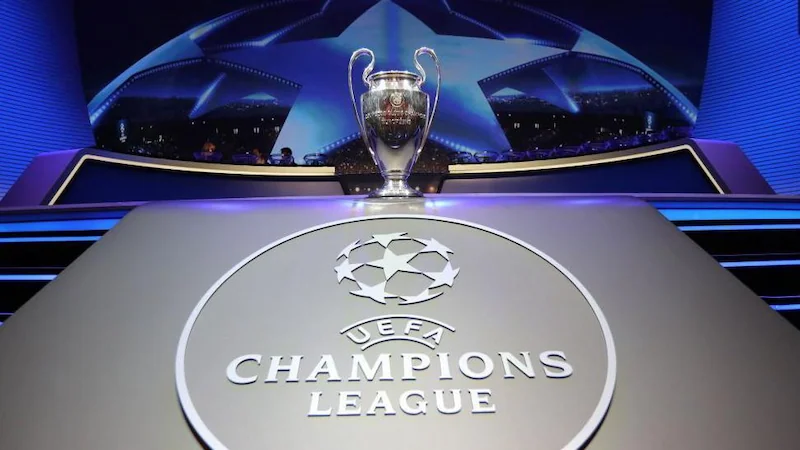


The European Football Association formally announced on Thursday the decisions taken at its executive committee meeting in Tirana regarding the venues for key finals in the coming seasons, although the question of whether national championships could be held outside Europe was left open-ended, underlining the complexity and ambiguity of the issue. The 2027 men’s Champions League final will be held at Madrid’s Metropolitano, which hosted the 2019 final, while the women’s final will be held at Warsaw’s National Stadium, underlining the growing popularity and geographic expansion of top-level football.
In addition, the locations for the 2026 finals were confirmed: Budapest with the Puskas Arena for the men’s tournament and Oslo with the Ullevaal Stadium for the women’s, while Salzburg was appointed as the host of next year’s UEFA Super Cup, demonstrating the organisation’s systematic approach to distributing prestigious events across the continent. However, the much more contentious issue of moving domestic club matches abroad, particularly outside UEFA territory, has been set aside for further in-depth study involving the views of all stakeholders, including fans who have already expressed their strong opposition.
The Italian Football Federation has previously given preliminary approval for the Serie A match between Milan and Como to be held in Perth, while Spain's La Liga is hoping to stage Villarreal's game with Barcelona in Miami, but UEFA stresses the need for careful consideration of a multitude of factors as such initiatives affect the fundamental basis of sporting competition. In its statement, the organisation acknowledged the importance of the topic under discussion, but pointed out that there are serious legal, organisational and ethical aspects that require a balanced approach, which rules out the possibility of hasty decisions dictated by short-term financial gain.
So, while the commercialisation of football continues to gain momentum, the governing body is being cautious on such a fundamental issue, aware of its responsibility to preserve the integrity and sporting fairness of the competitions that are the cornerstone of the European football model. Fans' associations have already labelled the league plans as absurd, and UEFA now faces the difficult task of balancing the interests of clubs seeking new sources of income with the fundamental values of sport, which should not be sacrificed to commercialism.