


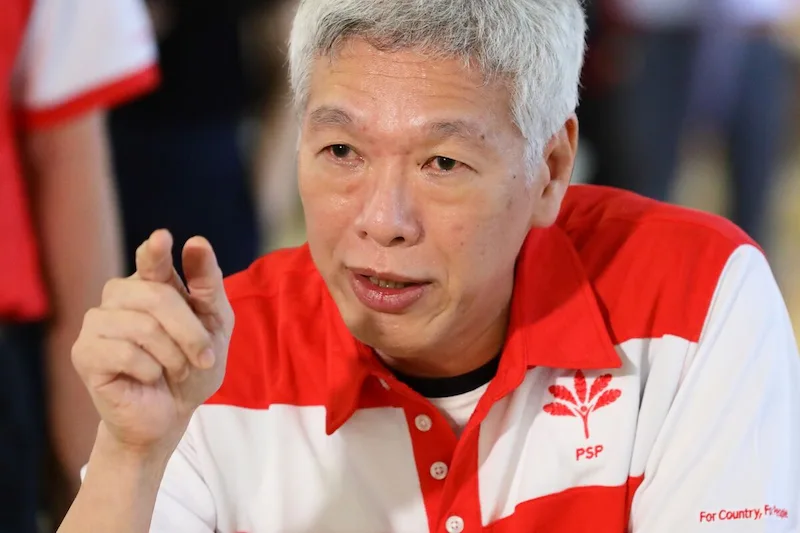


Singapore’s High Court has issued injunctions against Lee Hsien Yang, the estranged brother of Prime Minister Lee Hsien Loong, preventing him from making defamatory statements against two ministers. The injunctions were requested by Law Minister K. Shanmugam and Foreign Minister Vivian Balakrishnan after Lee Hsien Yang made allegations in a Facebook post on July 23 regarding state-owned residences rented by the ministers. The court has ruled that Lee Hsien Yang's refusal to remove the social media post and his continued highlighting of it in other online posts indicates that he is likely to repeat the defamatory allegations.
The dispute stemmed from Lee Hsien Yang's Facebook post in which he made allegations against the ministers concerning the rental of state-owned residences. The ministers, in response, demanded that Lee Hsien Yang withdraw his allegations and sought damages, which they stated would be donated to charity. However, Lee Hsien Yang disputed the ministers' interpretation of his comments and clarified that he had not accused them of acting corruptly or for personal gain.
In light of Lee Hsien Yang's refusal to retract his statements and his persistent promotion of them on social media, the High Court concluded that there is a high likelihood of him repeating the defamatory allegations. Therefore, the injunctions were issued to prevent him from continuing to damage the reputation of the ministers through his statements.
The court's decision means that Lee Hsien Yang is legally bound to refrain from making further defamatory statements against the ministers. A future hearing will determine the damages to be awarded in the case. The ministers had previously been cleared of any corruption or criminal wrongdoing in an official review conducted by the government regarding the rental of the state-owned residences.
This legal battle between Lee Hsien Yang and the ministers highlights the sensitive nature of public discourse and the importance of maintaining the reputation and integrity of individuals in positions of authority. The court's decision aims to protect the ministers from baseless accusations and attempts to tarnish their public image. It serves as a reminder that individuals must be cautious when making public statements that could potentially harm the reputation of others.