




European countries are bracing for an intense cold snap as temperatures plummet below -10C (14F) in parts of Scandinavia. Norway, Sweden, and Finland are experiencing deep sub-zero temperatures that are expected to persist for at least another week, according to weather forecaster Maxar Technologies Inc. Meanwhile, heavy rain, sleet, and snow are forecasted across much of Britain and France.
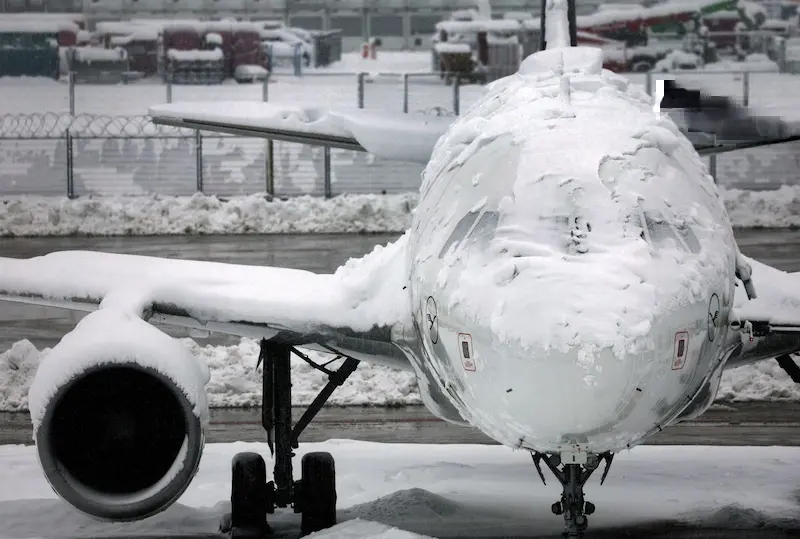
The Met Office in the UK has issued a yellow warning for rain in the southwest of the country, cautioning residents to be prepared for potential flooding. Western Europe is on high alert for cold snaps, snowstorms, and flash flooding after air and train services in Germany and the Netherlands were disrupted due to severe weather. Temperatures in Berlin are set to hover near freezing throughout the week.
One of the hardest-hit areas is Oslo, where temperatures are expected to plummet to as low as -13.5C on Monday, a staggering 12 degrees below the average for this time of year. The frigid conditions have had a significant impact on wind power output, which is a crucial source of electricity in the region. Wind turbines are struggling to function, contributing a mere 4.9% to the region's overall power output.
Sweden, typically a net exporter of electricity, has resorted to importing power from Germany and Poland to meet the increased demand caused by the freezing weather. In addition, an oil-fired plant owned by Uniper SE in the south of the country is on standby to generate electricity if necessary. Thankfully, Vattenfall AB has managed to resume operations at its Ringhals-4 nuclear reactor sooner than anticipated, providing some relief to the strained energy market.
In an unusual occurrence, the UK is exporting electricity to Norway to help address the increased demand for power caused by the extreme winter conditions. This reflects the severity of the situation as both countries rely heavily on their own power generation capabilities.
The cold snap sweeping across Europe is expected to persist, with forecasters predicting a total of 85.1 heating degree days in the next 1-5 days, well above the 10-year average of 66.8. Heating degree days are a crucial metric indicating persistent below-normal temperatures. As a result, travelers across Europe should expect further disruptions to transportation services, including grounded flights, delayed trains, and treacherous road conditions.
Authorities in affected countries are urging residents to take necessary precautions and prepare for the bitter cold and heavy snowfall. Drivers are being advised to exercise caution and be aware of icy roads, while airports are urging passengers to check for flight cancellations or delays before heading to the airport.
The extreme weather conditions gripping Europe serve as a reminder of the unpredictable nature of winter and the need for contingency plans to ensure the safety and well-being of residents and travelers alike.