


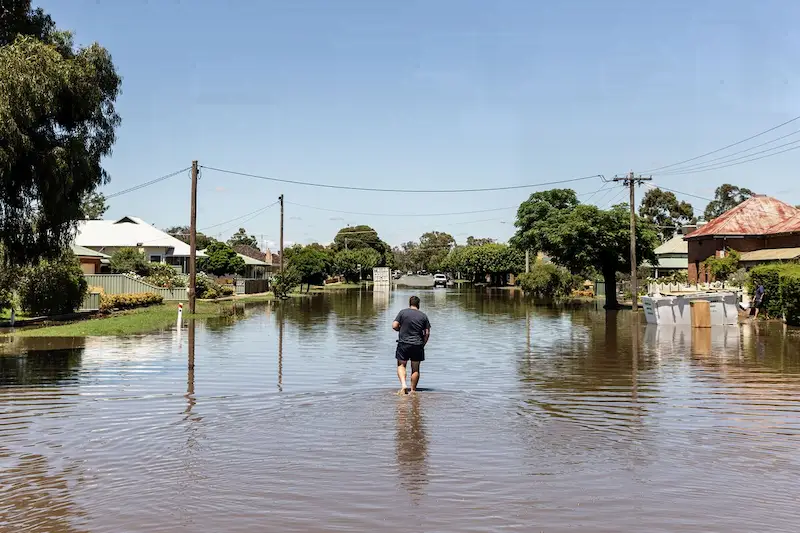


Amidst expectations of scorching heat and the return of devastating wildfires, Australia is facing a surprising turn of events: a prolonged deluge of rain. The country's eastern states, which are typically plagued by dry and hot conditions during the summer months, have instead been battered by severe storms and flooding for several months. This unexpected weather pattern, occurring even during the onset of El Niño, has caught authorities and residents off guard.
The Southern Annular Mode, a weather pattern that increases the likelihood of above-average rainfall, has contributed to the incessant precipitation across the populous eastern regions of Australia. Climate change has also played a role in distorting the weather towards greater extremes, particularly in regards to rainfall and drought. As a result, accurate weather forecasts have become increasingly challenging to produce, leaving Australian citizens with little preparation for the persistent rain.
For a country known as the world's driest inhabited continent, wildfires during the summer months are a significant concern. In fact, the devastating wildfires of 2019-20 scorched an area equivalent to the size of the UK and caused the death of an estimated 1 billion native animals. The health implications of such events can persist even after the fires are extinguished. Therefore, the anticipation of a severe wildfire season had put Australia on high alert.
However, the recent deluge has unexpectedly swamped roads, inundated homes, and caused extensive damage to crops, from sugar to wheat. Rivers have swollen past records dating back decades, and the resulting damage bill is likely to reach billions of dollars. Last month, the Insurance Council of Australia declared the storms over the Christmas period a significant event, with thousands of insurance claims pouring in from Queensland, New South Wales, and Victoria.
In addition to the havoc wreaked on infrastructure, the rain has also wreaked havoc on agricultural industries. Sugar crops in Queensland have been damaged by a tropical cyclone that crossed the coast last month, and another cyclone could be on the horizon next week, according to the Bureau of Meteorology. Fruit orchards in Victoria have also suffered significant damage, and the flooding has caused delays in the harvest of wheat and barley crops.
However, not all farmers have been negatively impacted by the unseasonal rain. Cotton growers have benefited from the extended downpour, enabling them to plant more crops. Additionally, the excess rainfall will likely improve soil moisture levels for the next grains crop, providing some relief for farmers in the long run.
While the summer rain has undoubtedly brought unexpected challenges and disruption to residents and industries, many farmers would still express gratitude for the much-needed precipitation. In a country prone to droughts, the abundance of rain offers a respite from the usual dry conditions. Nevertheless, the erratic weather patterns and the difficulties in accurately forecasting the changing climate highlight the urgent need for continued research and adaptation strategies to address the impacts of climate change on Australia's weather patterns and agricultural practices.