


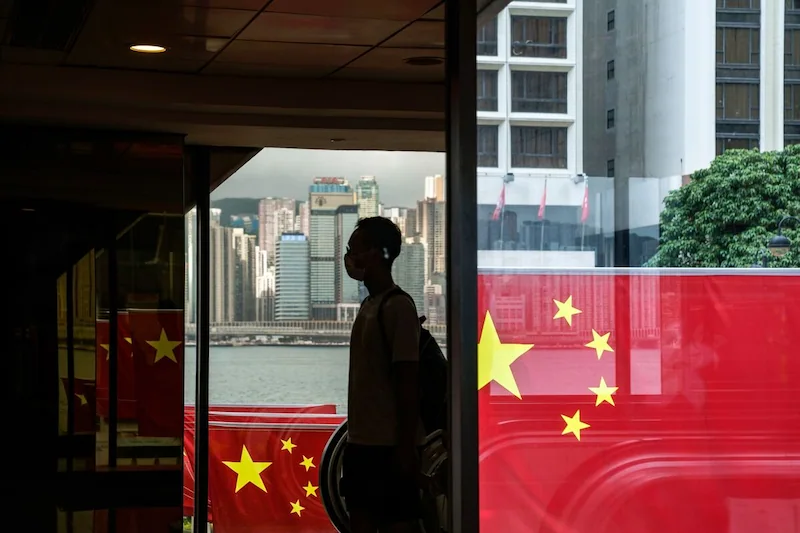


Amid growing tensions in Hong Kong, China's implementation of a national security law has sparked significant changes in the region. The legislation, passed in 2020, aims to curb acts of secession, subversion, terrorism, and collusion with foreign forces. This law grants extensive powers to control dissenting voices, leading to the repression of opposition figures, the shuttering of news outlets, and disciplinary actions against educators. Under the pretext of safeguarding national security, Hong Kong has witnessed a swift erosion of its promised autonomy and independent judiciary under the "one country, two systems" framework.
The imposition of the national security law signaled Beijing's firm stance on ensuring Hong Kong's alignment with the Communist Party's ideology. Various measures have been introduced to enforce loyalty to the central government, including requirements for lawmakers to display allegiance and candidates to be vetted based on their adherence to party rule. Furthermore, an overhaul of the electoral system has reduced the number of directly elected seats in the Legislative Council, tightening the grip on political representation in the region.
The catalyst for Beijing's intervention can be traced back to the pro-democracy protests that erupted in Hong Kong in 2019. The proposed extradition bill to mainland China by Chief Executive Carrie Lam triggered mass demonstrations and unrest, eventually leading to its withdrawal. Subsequent electoral victories by opposition politicians in district council elections highlighted a significant pushback against government policies. The national security law was swiftly enacted just before the anniversary of the British handover, marking a turning point in the region's political landscape.
The impact of these changes has been profound, with arrests and charges brought against numerous individuals, including prominent activists and even a 90-year-old cardinal. The crackdown on dissent has forced many activists into exile or self-censorship, while schools and media outlets face increasing pressure to align with patriotic narratives. Notably, former media tycoon Jimmy Lai's prolonged imprisonment exemplifies the harsh repercussions faced by those opposing the government's directives.
Internationally, condemnation of China's actions has been widespread, with countries like the UK and the US offering pathways to residency for Hong Kong residents seeking refuge. Sanctions have been imposed on key officials involved in implementing the security law, signaling a diplomatic rift over the erosion of Hong Kong's autonomy. As the region navigates this tumultuous period, the future of "one country, two systems" hangs in the balance, raising concerns about the sustainability of Hong Kong's unique identity in the face of Beijing's tightening grip.