


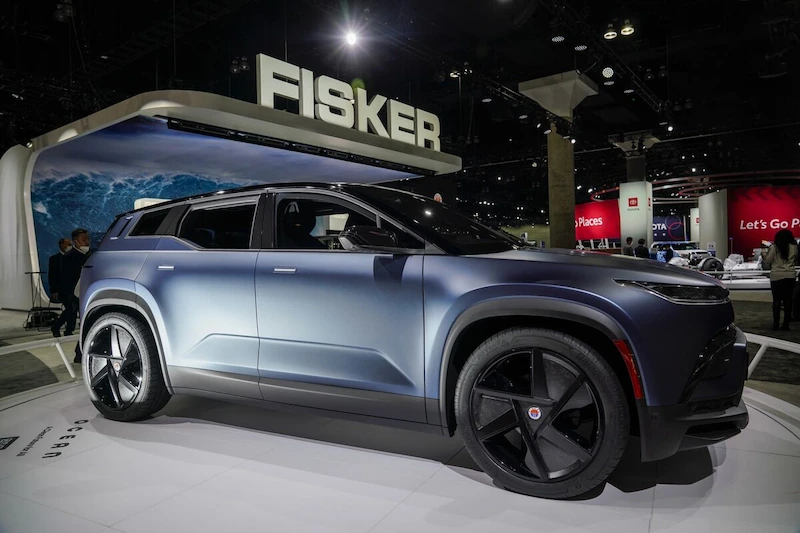


Fisker Inc., the struggling electric-vehicle maker, has made the tough decision to halt production for the next six weeks in a bid to manage its inventory levels effectively and steer clear of potential bankruptcy proceedings. This move comes on the heels of the company failing to make an $8.4 million interest payment last week on its unsecured convertible notes due in 2026, as disclosed in a regulatory filing on Monday. With warnings of possible default on debt service obligations looming, Fisker finds itself at a critical juncture where seeking protection under bankruptcy laws may become a necessity.
The grim financial outlook was reflected in the stock market as Fisker's shares plummeted by as much as 14% shortly after the announcement. Having already witnessed a staggering 90% drop in its stock value this year, the company is in dire need of a financial lifeline to stay afloat. Fisker detailed plans to raise up to $150 million through a financing deal with the holder of its 2025-dated convertible notes, with the funds to be structured in four tranches subject to certain conditions. This injection of capital aims to provide the company with some breathing room amidst its cash flow challenges.
Amidst these turbulent times, Fisker is also engaged in ongoing discussions with a major automaker regarding a potential investment and joint development partnership. While the automaker remains unidentified, speculations have pointed towards Japan's Nissan Motor Co. as a potential suitor. Such a partnership could offer Fisker the much-needed support to navigate through its operational hurdles, including production issues, software glitches, and recent criticism from short-sellers.
With around 4,700 vehicles in inventory valued at over $200 million, Fisker has decided to pause production at its facilities in Graz, Austria, starting this week. This pause will allow the company to focus on selling its existing stock of electric vehicles and alleviate the pressure from its overstocked inventory. As Fisker works towards finding a balance between supply and demand, the outcome of its strategic partnerships and financial maneuvers will play a crucial role in determining its future in the ever-competitive electric vehicle market.