


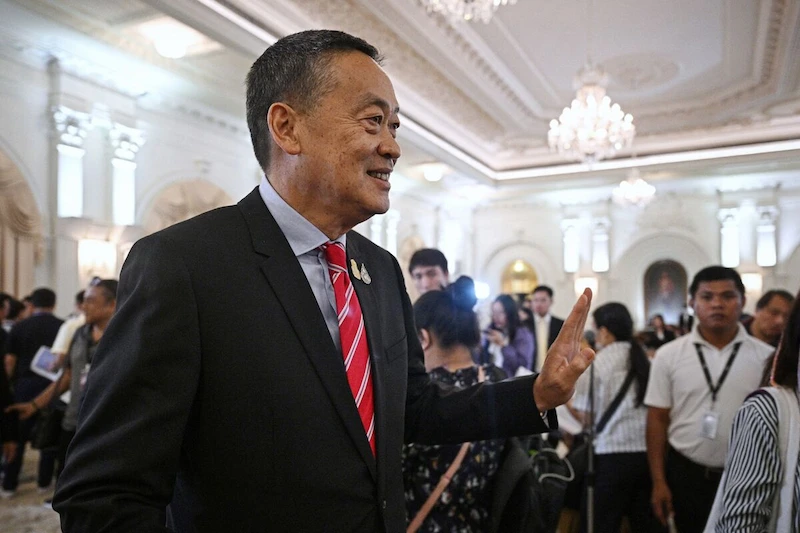


Thailand is gearing up for the process of electing new senators, marking a significant shift toward a more representative upper house than the outgoing lawmakers appointed by the military. The country's cabinet has given the green light to the Election Commission's plan for multi-level Senate elections, as announced by Prime Minister Srettha Thavisin in a recent briefing. The Election Commission is set to unveil the proposed timeline on May 13, outlining the application process and the scheduled polls from June 9-26.
In a departure from the existing composition of 250 senators, the new upper house will consist of 200 lawmakers. Notably, this election marks the first since the 2014 coup, where candidates were handpicked by the military. However, unlike a direct public vote, interested candidates, aged 40 and above, will need to navigate a unique "self-selection" process under 20 social and professional categories. This process involves candidates within and across groups voting for each other until only 10 candidates remain in each group.
While the restructured Senate will not have the authority to appoint a prime minister, it will retain its essential functions, such as endorsing legislation passed by the lower house elected through public voting. The results of the Senate election are anticipated to be announced on July 2, with the new Senate commencing a five-year term and likely joining the bicameral parliament session on July 9.
In addition to the Senate elections, the cabinet has also approved a framework for three national referendums to amend the military-backed constitution, a crucial promise by Prime Minister Srettha's ruling Pheu Thai Party. The upcoming referendums aim to address the challenges of rewriting the junta-era charter, requiring the support of at least one-third of the Senate for any proposed amendments to pass.
The first of three referendums will focus on whether Thais support drafting a new charter with no revisions to the initial two chapters, encompassing general provisions and sections related to the monarchy. Scheduled between July 21 and August 21, the referendum is estimated to cost 3.2 billion baht ($863.5 million) to organize, as confirmed by government spokesman Chai Wacharonke following the cabinet meeting. This progressive approach underscores Thailand's commitment to democratic principles, setting the stage for significant institutional reforms and enhanced public participation in governance.