


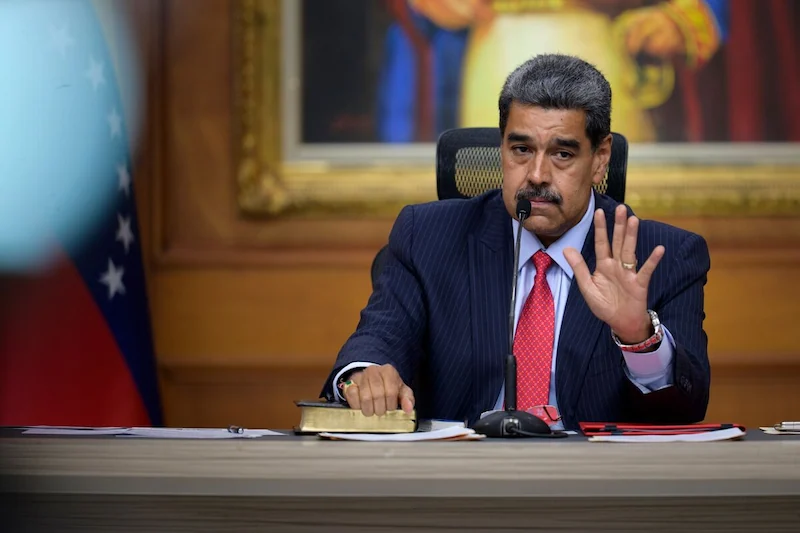


In the wake of Venezuela's recent presidential election, bondholders are facing a harsh reality as the political situation in the country remains tumultuous. What was once optimism for a potential political transition has now shifted to concerns about how far bond prices will plummet. The uncertain vote count, ongoing protests, government crackdowns on dissent, and indications of international isolation for the Maduro regime have all contributed to a significant decline in bond prices.
Amidst this turmoil, bond prices have dropped as much as 5 cents on the dollar to around 17 cents, marking the lowest point since March. Investors who held onto Venezuelan debt in hopes of a substantial upside are now grappling with the question of how much further these bonds could fall. The possibility of Maduro's regime clinging to power and escalating authoritarianism has raised doubts about a peaceful resolution and a path towards regime change.
Barclays Plc, which previously speculated about a potential political transition, now advises its clients to sell Venezuelan bonds, acknowledging that the likelihood of regime change seems slim. The regime's actions, including numerous arrests and accusations against opposition leaders, have intensified concerns about the democratic legitimacy of the election.
Despite the bleak outlook, some investors believe that the most actively traded sovereign bonds are unlikely to dip below 10 cents a dollar, assuming that US investment restrictions do not return. The lifting of sanctions earlier this year allowed for the reintroduction of Venezuelan debt to investment indexes, providing a semblance of stability in an otherwise volatile market.
While the balance of risk leans towards the negative, many analysts suggest that bond prices may have already hit rock bottom. The potential for further decline hinges on the duration of the current uncertainty and the absence of a viable solution in the coming months. Bondholders are closely monitoring the military, seen as a key player in determining Maduro's fate, amidst the calls for change from the Venezuelan population.
With hopes for a negotiated settlement with the Maduro regime fading, creditors are now eyeing the possibility of engaging with an opposition-led government. A shift in power could pave the way for US recognition, the lifting of sanctions, and a more favorable environment for restructuring the country's massive debt burden. As the situation continues to unfold, investors remain on edge, grappling with the unprecedented challenges presented by Venezuela's political and economic instability.