


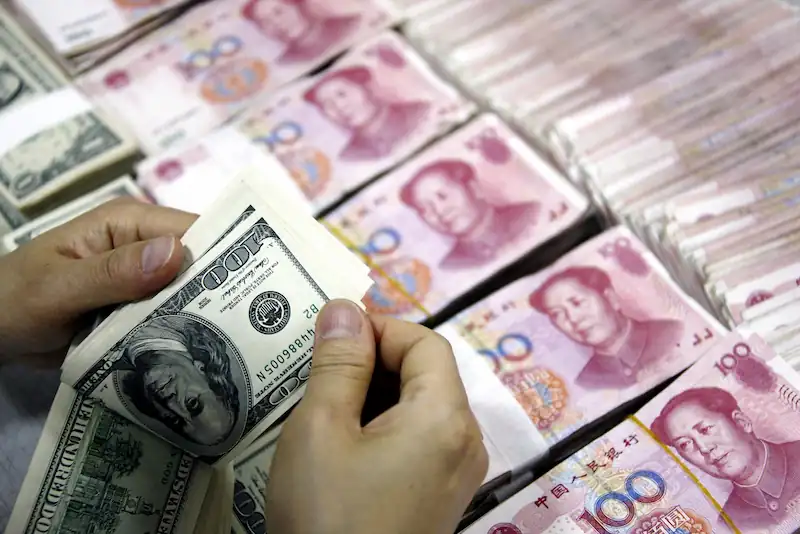


China and Japan are anxiously watching as the United States moves closer to an unprecedented debt default. As the biggest foreign investors in US government debt, they hold more than a quarter of the $7.6 trillion in US Treasury securities held by foreign countries, with a combined total of $2 trillion. In the early 2000s, China ramped up its purchases of US Treasuries and peaked at owning $1.3 trillion in 2013. However, escalating tensions between the Trump administration in 2019 caused Beijing to pare back its holdings, allowing Japan to become the largest foreign creditor to the US.
If the value of US Treasuries were to plummet, both China and Japan could be severely affected, leading to a drop in their foreign reserves. As a result, they would have less money to cover essential imports, service their debts, and support their national currencies. However, the real risk is the potential global economic fallout and likely US recession that could follow a default, which would pose a particular risk to China's fragile economic recovery.
The falling value of US Treasuries would have implications for the global economy and financial markets that could lead to a recession. This situation would be detrimental to China and Japan's export sectors, as they rely on the US to support their companies and provide jobs. Exports generate approximately a fifth of China's GDP and provide employment for approximately 180 million people.
Despite increasing geopolitical tensions, the US is China's primary trading partner, and the second-largest for Japan, making them vulnerable to any economic slow-down in the US that could affect their exports. The Bank of Japan Governor Kazuo Ueda has expressed his concerns, stating that a US debt default would cause turmoil in various markets, while the Chinese government has struck a series of deals with other nations to increase the use of Yuan in international trade.
However, hastily dumping US debt would be self-defeating as it would increase the values of the Chinese Yuan or Japanese Yen against the US dollar and hurt their exports. Some analysts believe that a potential US default could push China to accelerate its efforts to create a global financial system that is less reliant on the dollar. However, analysts say Beijing has shown little eagerness to integrate fully with the global financial markets, which could make it difficult to create a viable alternative to the US dollar. In conclusion, both China and Japan will need to wait and hope for the best as they have limited influence over the situation.