


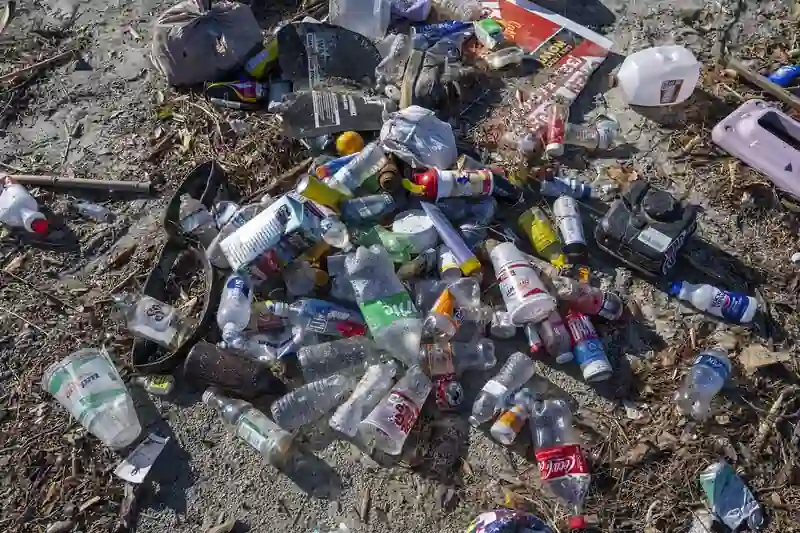


This week the United Nations (UN) will release a draft treaty on plastic pollution, which has been highly anticipated by activists and experts around the world. The treaty is expected to address the issue of plastic waste, including tire dust and discarded fishing nets, which are major contributors to the pollution of our oceans.
The treaty will provide guidelines and regulations for reducing the harm caused by plastic waste, including the regulation of abandoned fishing equipment, also known as 'ghost gear'. Ghost gear is a serious health hazard for marine mammals, and is mostly made of plastic. This is an unparalleled opportunity for countries across the world to come together and establish common standards and practices for reducing plastic waste and its harmful impact on our planet.
The draft treaty will also include recommendations for Extended Producer Responsibility laws, which would require manufacturers to be financially responsible for the end-of-life disposal costs of their plastic products. Additionally, the treaty will emphasize the importance of replacing plastic with organic materials wherever possible, such as with cardboard takeout containers. However, there are concerns over the cost of this re-orientation, which could amount to as much as $65 billion per year.
One of the most challenging aspects of the treaty will be the agreement to ban the manufacturing of certain chemicals that are harmful to the environment. One expert, Winnie Lau, director of the Preventing Ocean Plastics project at the Pew Trust, is pushing for issues like tire dust to be addressed in the draft. Studies have recently linked a chemical found in tire dust to salmon mortality in the Pacific Northwest. Lau hopes to see certain polymers banned in the near future and to establish a system for evaluating potentially harmful chemicals in the future, as our understanding of plastics and their impact on the environment continues to evolve.
Overall, this draft treaty represents a significant step forward in efforts to reduce plastic waste and its impact on our planet. With the UN taking a leading role in addressing this global issue, we can hope to see a reduction in plastic pollution in the years to come.