


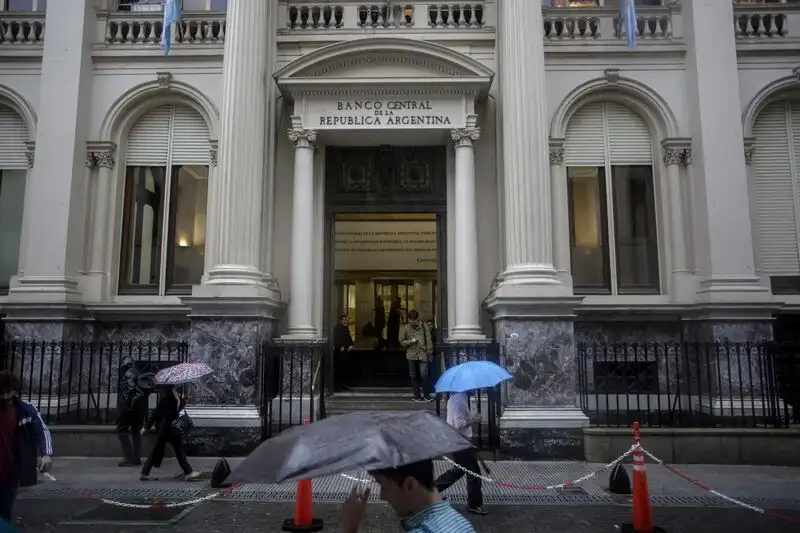


Due to the scarcity of US dollars in Argentina, companies are increasingly turning to China's yuan to pay for imports. Whirlpool Corporation, a major American appliance manufacturer, is among the companies exploring the use of yuan to import parts for a new factory. Argentina's dire financial situation and China's ambitions for the yuan are the driving factors behind the trend.
The US-China trade rivalry has led to the erosion of the dollar's supremacy in global trade and fragmentation, particularly in developing countries. A lack of dollars and political decisions to seek alternatives to the dollar, such as by Brazil, have led to other countries increasingly embracing the yuan.
For Argentina, the use of yuan represents a quick, short-term solution to keep assembly lines moving amidst surging inflation and ever-changing policy. China has allowed Argentina to use more than half of an 18 billion dollar currency swap line to support trade between them. The two countries signed a bilateral swap agreement in 2009.
More than 500 Argentine companies have requested to pay for imports in yuan, including electronics, auto parts, and textile makers, as well as oil and mining firms. Import payments in yuan equivalent to $2.9 billion have also been authorised by the central bank. Transactions totaling approximately $285 million were executed in the first 10 days of June alone, double the amount for May.
The daily share of yuan transactions in Argentina’s foreign currency market recently reached a record high of 28%, compared to just 5% last month. Whirlpool Corporation is looking to join the ranks of Argentine companies like Mirgor and Newsan, which paid for imports worth $630 million between May and August using yuan, according to Argentina's customs agency. Other companies are lining up for yuan as the central bank forces firms to find their own dollar financing abroad before waiting months to tap the local foreign exchange market.
Argentina's currency has taken a heavy hit, losing half its value over the past year and having the worst performance among emerging markets over that period. The central bank's reserves in dollars are at their lowest level since 2016. Excluding the swap line, gold, and multilateral financing, the liquid cash reserves are negative.
The Chinese government has long been promoting the yuan as an alternative to the dollar, and the People’s Bank of China has signed currency swap agreements with approximately 40 countries over the years. Additionally, the Chinese financial market is gradually opening up, and authorities are exiting regular currency intervention. Cross-border yuan payments systems, known as the CIPS, have also been expanded.
Argentina's rush to pay bills in yuan coincides with government officials negotiating for additional up-front cash from the country's $44 billion aid programme with the International Monetary Fund. Argentina has been unable to meet any of the key IMF targets due to a record drought that destroyed an estimated $20 billion worth of crop exports, exacerbating the dollar shortage. The use of yuan may provide a lifeline for some businesses in Argentina, but it also highlights the country's precarious economic situation.