


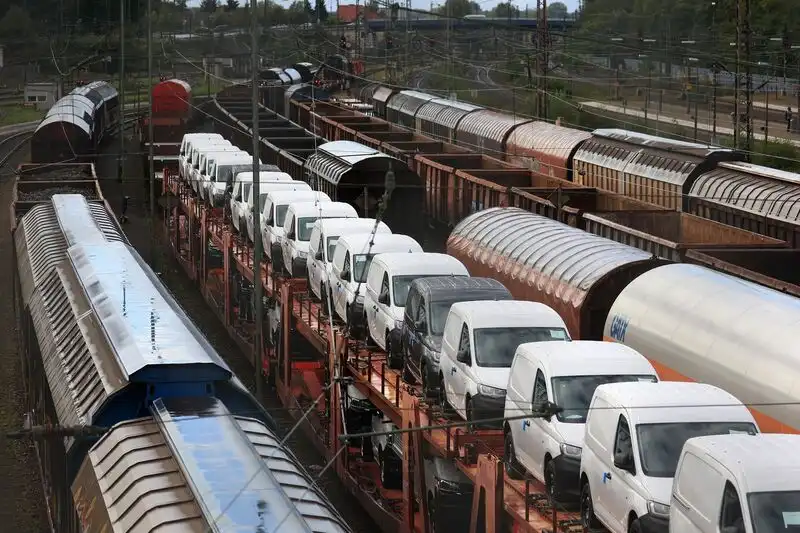


The European Union is taking decisive steps to tackle emissions in the freight transport industry, which has historically heavily relied on fossil fuels. In line with its ambitious Green Deal agenda, the European Commission is set to unveil a package of measures aimed at streamlining processes, enhancing international rail connectivity, and harnessing the potential of digital technologies. The draft document emphasizes the need to eliminate unnecessary regulatory barriers that hamper the efficiency of European freight operations while simultaneously inhibiting emissions reduction efforts. By enhancing operational efficiency, the EU aims to advance its goal of greening the freight transport sector in a cost-effective manner.
According to the draft, freight transport currently accounts for over 30% of carbon dioxide emissions in the transportation sector. Disturbingly, it is projected to increase by 25% from 2015 levels by the end of the decade, and a staggering 50% by 2050. These figures underline the urgency for action in this area to prevent the exacerbation of climate change. Recognizing the need for a paradigm shift in the industry, the EU is committed to making substantial changes that align with its long-term objective of achieving carbon neutrality by mid-century.
Additionally, the draft document highlights the challenges posed to the EU's freight networks by Russia's conflict in Ukraine. The blockade of Black Sea ports has further emphasized the importance of efficient and resilient transport systems within the bloc. Ukraine has increasingly relied on alternative routes through the EU to ensure the smooth flow of its goods to the market. This situation has intensified the need for coordinated European efforts to enhance and secure trade routes.
Moreover, the proposed measures aim to establish greater transparency in regards to the environmental impact of different transport services. By providing this information, it will enable businesses and consumers to make more sustainable choices and contribute to the EU's broader environmental goals.
Once the proposal is published, it will still require endorsement from the European Parliament and member states before becoming law. However, with its focus on reducing emissions, streamlining processes, and investing in innovative technologies, the EU's blueprint holds promise for a more sustainable and greener freight transport sector in the near future.