


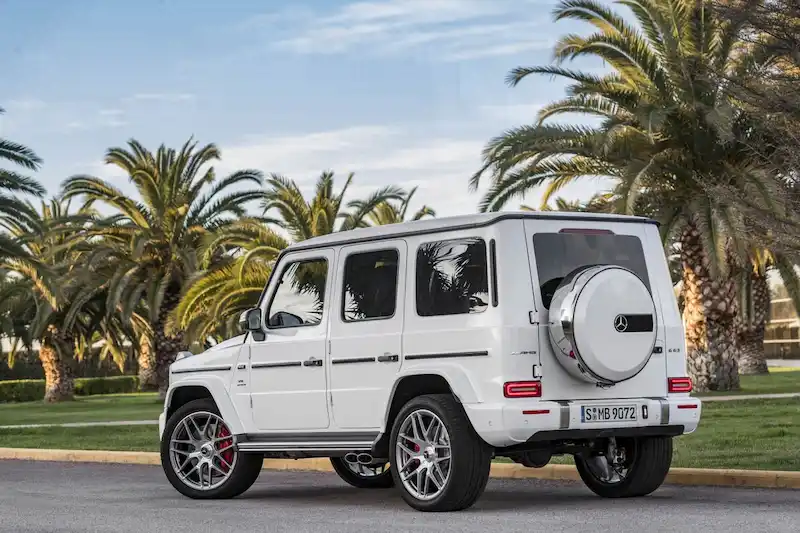


In a recent press reveal in Munich, Mercedes-Benz made a significant announcement that sent shockwaves across the globe. Ola Källenius, the chairman of the board of management of Mercedes-Benz Group and CEO of Mercedes-Benz, revealed that a smaller, electric version of the iconic G-Wagen, aptly called the "baby G," will be hitting the market in the coming years. This news was met with immense excitement from fans of the beloved Geländewagen series, known for its off-road capabilities and distinctive boxy design.
Källenius confirmed in a subsequent interview that despite its smaller size, the baby G will not compromise on luxury or price. Mercedes-Benz has focused on prioritizing their top-end vehicles such as the AMG, S-Class, and Maybach lines, and the baby G will fit seamlessly into this exclusive segment. It is clear that Mercedes intends to maintain the essence and prestige of the G-Class, even in its smaller electric iteration.
While the baby G may be a new addition to the lineup, Mercedes-Benz is no stranger to producing smaller versions of the G-Wagen. In the past, they had released two-door versions in collaboration with Steyr-Daimler-Puch, starting in the 1970s. These versions, known as "the Puch," offered a range of engine variants and were even certified for sale in the US in the early 1990s.
It is worth noting that vintage-inspired vehicles have been a popular trend in recent years, with brands like Land Rover and Ford successfully reviving their iconic models. However, unlike those brands, Mercedes-Benz has consistently produced the G-Class without any breaks, introducing extreme versions such as the Mercedes-AMG G 63 6x6 truck and innovative concepts like the Moncler collaboration. The enduring popularity of the G-Wagen is evident, with more than 50% of the models ever produced still on the roads today.
The baby G represents a strategic balancing act for Mercedes-Benz. On one hand, they aim to maintain their personalized luxury offerings, which entice customers to spend significant sums on customizations and upgrades. On the other hand, they continue to push for the widespread adoption of electric vehicles, a goal that comes with its own set of challenges. While Mercedes has seen success in selling expensive vehicles and luxury experiences, their EV sales in China, the largest market, have been underwhelming. In response, the company has adjusted prices and made necessary adaptations to cater to the Chinese market.
Despite these challenges, Mercedes remains committed to their plan to sell only EVs where market conditions allow by 2030. This includes electrifying their existing lineup, as evidenced by the forthcoming all-electric G-Wagen called the EQG, set to debut next year. The baby G will follow suit, bringing a compact electric SUV to the market.
In conclusion, the announcement of the baby G's arrival has generated tremendous anticipation among Mercedes enthusiasts and automotive enthusiasts alike. As Mercedes-Benz navigates the shifting landscape of luxury and electric vehicles, the baby G will undoubtedly add another chapter to the illustrious history of the G-Class, offering a modern and sustainable take on the iconic off-road vehicle.