


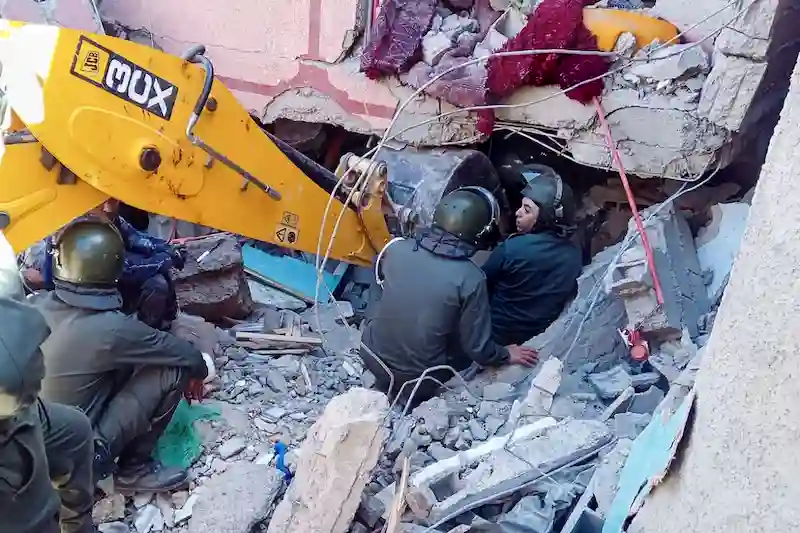


Moroccan authorities are working tirelessly to rescue and locate possible survivors in the aftermath of the most powerful earthquake the country has experienced in over a century. The quake, which measured 6.8 on the Richter scale, struck the remote mountainous region of al-Haouz late Friday night, causing widespread devastation and claiming the lives of more than 2,000 people.
The al-Haouz region, known for its small towns and villages constructed primarily of mud brick and adobe, posed significant challenges for rescue efforts due to its rugged terrain. With roads that wind precariously up the mountains, finding and aiding survivors has become an arduous task. The military has deployed specialized rescue teams, engineers, logistics centers, supplies, and field hospitals to assist in the rescue operations.
The earthquake's epicenter was near the popular ski resort town of Oukaïmedene in the High Atlas mountains, approximately 75 kilometers south of Marrakech. Marrakech, a historic tourist center, also sustained damage from the quake. The area surrounding the epicenter is home to around 300,000 people, all of whom are now dealing with the aftermath of this devastating natural disaster.
Despite offers of international assistance from countries such as the United States, France, Turkey, Ukraine, and others, Morocco has yet to officially accept the aid. King Mohammed VI expressed gratitude for the offers of help, but it remains uncertain if they will be accepted. In the meantime, the government has ordered a nationwide prayer for the missing and declared three days of national mourning. The king, who was abroad when the earthquake occurred, has called for donations from citizens and local businesses to support the relief efforts.
The earthquake not only claimed thousands of lives but also left over 1,400 people critically wounded and tens of thousands homeless. The impact of this disaster adds to the challenges the kingdom is already facing, including the economic pressures triggered by the Ukraine crisis and recurring, severe droughts that are negatively affecting the vital agricultural sector.
Furthermore, the earthquake caused damage to the famous red walls that surround Marrakech's old city, a UNESCO World Heritage site. Some hotels and other infrastructure in the city were also affected, highlighting the broader impact of the quake on Morocco's tourism sector.
Looking ahead, there are concerns about whether the devastation in the region will affect the plans for the upcoming annual meetings of the International Monetary Fund and the World Bank, scheduled to be held in Marrakech. If affected, it would mark the first time in 50 years that these gatherings were held in Africa.
As the rescue and recovery efforts continue, the people of Morocco are left grappling with the immense human and economic toll of this tragic event. The international community stands ready to assist, awaiting confirmation from Moroccan authorities to provide much-needed support and aid.