




As the new year begins, a series of storms is set to sweep across North America, bringing a mix of rain, thunder, and snow over the next 10 days. AccuWeather Inc. predicts that this pattern, typical during winter El Niño conditions, will see storms originating in the Pacific and making their way across the southern United States before heading out to sea in the Atlantic.
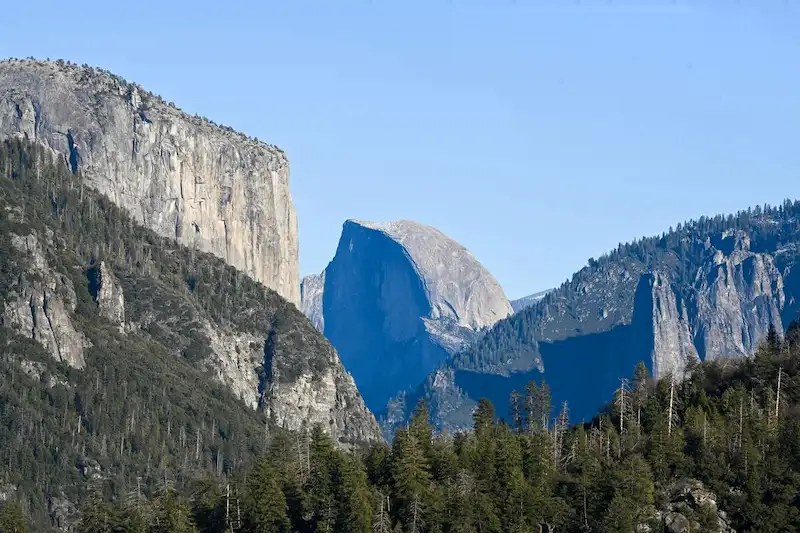
In California, which has been suffering from a lack of snowfall, these storms could bring some much-needed relief to the Sierra Nevada region, where the current snowpack is below average. The Sierra Nevada snowpack plays a crucial role in providing water supply for the state, so an increase in snowfall would be greatly welcomed.
However, California isn't the only place experiencing a shortage of snow this winter. New York's Central Park has only seen a trace of snow since December 1st, which is 5.1 inches below normal. Similarly, cities like Chicago, Minneapolis/St. Paul, and Boston are also facing a deficit in snow accumulation compared to previous years.
According to the National Operational Hydrologic Remote Sensing Center, only 20.3% of the contiguous United States is currently covered by snow, which is less than last year and the lowest amount since 2012. This lack of snow coverage not only affects winter recreation but could also have implications for water supply, as melting snow contributes to river flows and reservoir levels.
Beyond the United States, other regions are also experiencing severe weather conditions. In Japan, a powerful earthquake has caused significant damage, with the death toll rising to nearly 50. Rescue efforts are underway to find survivors trapped under the rubble, but the threat of landslides remains due to forecasted rain.
In the United Kingdom, Storm Henk is set to bring very strong winds to southern parts of the country. Wind gusts ranging from 50 to 80 miles per hour are expected, posing a risk of tree damage and potential disruptions. An amber wind warning has been issued, urging precautionary measures.
Europe, which has experienced a relatively mild winter so far, is about to face freezing temperatures. Minimum temperatures are forecast to drop below zero in Berlin and Paris over the weekend, putting energy systems in the region to the test.
Meanwhile, in the Indian Ocean, Tropical Cyclone Alvaro is crossing Madagascar and will re-enter the ocean before dissipating far from land. While it is currently a potent tropical storm with winds of about 52 miles per hour, it is expected to weaken as it continues its path over land.
Overall, the weather patterns across these regions underline the diverse and dynamic nature of our planet's climate. From snowfall deficits in the United States to earthquake aftermath in Japan and stormy conditions in Europe and the Indian Ocean, it is crucial that we continue to monitor and adapt to these changing weather patterns.