


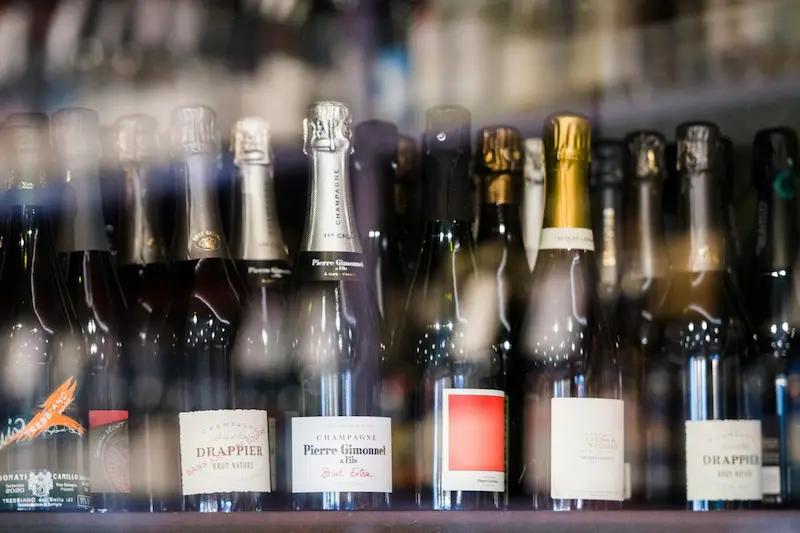


Champagne shipments in France experienced a decline last year, reflecting a softness in the luxury market. According to the Comité Champagne, which represents producers in the region, foreign shipments dropped by 8.2%. Within France itself, shipments hit their lowest level in nearly four decades, excluding the pandemic lockdown-impacted year of 2020.
A major factor contributing to the decline in champagne consumption is inflation, which has weighed heavily on household budgets in France. Despite the French being the largest consumers of their own sparkling wine, accounting for over 40% of shipments, the challenging economic conditions have dampened demand.
When pandemic restrictions eased, there was a notable surge in the demand for high-end champagne brands like Veuve Clicquot, Bollinger, and Lanson. However, market conditions have since normalized, leading to a return to more moderate consumption levels. This trend is not unique to the champagne industry but is observed across the luxury goods sector, where Bain estimates a growth rate of around 4% this year compared to 8% in 2023.
In total, champagne shipments amounted to 299 million bottles in 2023. However, producers were able to compensate for the decrease in volume by emphasizing the sale of more expensive labels, especially in international markets. This strategy helped to keep revenue above the record-breaking €6 billion ($6.6 billion) achieved in 2022, as reported by the Comité Champagne.
Philippe Schaus, the CEO of LVMH's wines and spirits unit, spoke about the balance between supply and demand for their champagne brands during a panel organized by the National Retail Federation. He mentioned that after the remarkable consumption levels witnessed in 2021 and 2022, 2024 will likely see more moderate price increases as they had already implemented price hikes in the previous year.
LVMH Moët Hennessy Louis Vuitton SE, the leading producer of champagne, owns renowned labels like Moët & Chandon and Dom Pérignon. While its wines and spirits unit, which also includes Hennessy Cognac, experienced a 7% organic revenue decline in the first nine months of 2023, it remains optimistic about the future.
As the luxury industry faces various challenges, including economic uncertainties and changing consumer behaviors, Champagne producers in France are adapting to the evolving market landscape. With a more balanced supply and demand equilibrium and a focus on premium offerings, they aim to navigate through these challenging times while maintaining their reputation as purveyors of world-class sparkling wine.