


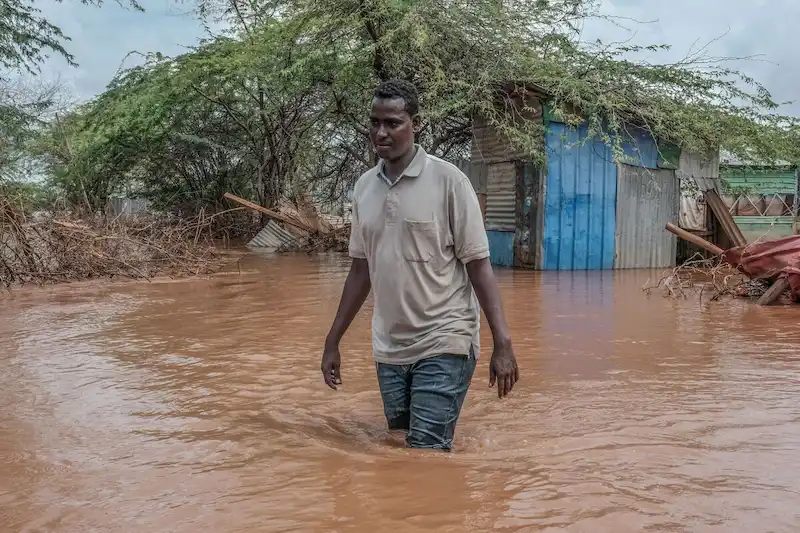


Severe floods in the Hiraan region of central Somalia have triggered a major cholera outbreak, with 980 cases reported in the first two weeks of this year alone, according to the International Rescue Committee (IRC). The organization has labeled the situation a grave public health crisis, with a significant number of cases being severe and affecting the most vulnerable population. Shockingly, this represents a 48% increase compared to the same period in the previous year, while more than half of the reported cases are children under the age of five.
Cholera, a waterborne disease that leads to severe dehydration and can be fatal if left untreated, has been rapidly spreading across Africa due to heavy rains and subsequent floods in various countries. In Somalia, specifically, cholera cases rose by 15% last year, reaching a total of 18,304 reported cases.
The recent outbreak in Hiraan has struck communities already in a vulnerable position. They continue to struggle with the consequences of the El Niño phenomenon, which caused extensive damage to the country's infrastructure, including homes, roads, and vital services. The situation is particularly dire in the Hiraan region, where the majority of the cholera cases have been concentrated.
The impact of climate change on Somalia's health infrastructure cannot be overlooked. The IRC highlights how the country has been grappling with a harsh drought throughout 2022, followed by acute flooding that has displaced hundreds of thousands of people. About a quarter of the population is currently experiencing hunger and malnutrition.
The IRC's statement serves as a stark reminder of the urgent need for assistance to address the health and humanitarian crisis unfolding in Somalia. In addition to providing immediate medical aid to those affected by cholera, efforts must be made to strengthen the country's infrastructure to better withstand future climate-related disasters. Without intervention, the situation in Somalia will continue to deteriorate, with devastating consequences for the most vulnerable members of society. Immediate action and support from the international community are crucial to prevent further loss of life and suffering in the region.