




The global battle against obesity has long been a daunting challenge, but recent breakthroughs in the pharmaceutical industry have sparked excitement and hope. A new class of weight-loss drugs is proving to be highly effective in helping patients shed pounds, offering a safer alternative to invasive surgeries. Not only are these drugs generating billions in revenue for pharmaceutical companies, but their popularity is also triggering a ripple effect across various industries, from airlines to dialysis centers. However, the quest for oral weight-loss drugs and widespread insurance coverage remains the next frontier in this medical revolution.
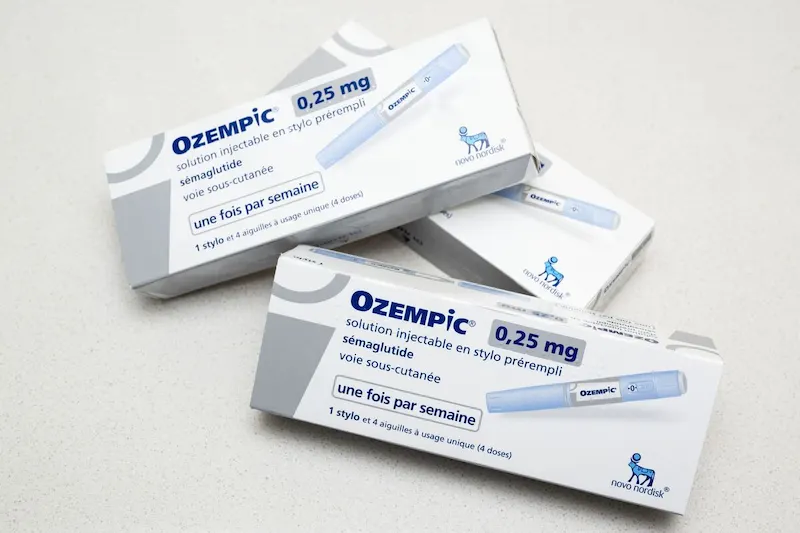
The current stars of the weight-loss drug market are Novo Nordisk's Ozempic and Wegovy, as well as Eli Lilly's Zepbound. These drugs belong to a class called glucagon-like peptide 1 receptor agonists (GLP-1 agonists), which mimic a hormone released after meals. By working in the brain, these drugs reduce appetite and increase feelings of fullness. Originally developed for Type 2 diabetes treatment, they have proven effective for weight loss as well. Eli Lilly's Zepbound takes a unique approach by combining GLP-1 with another gut hormone called glucose-dependent insulinotropic polypeptide (GIP), which helps lower blood sugar and potentially increase metabolism.
Currently, there are three GLP-1 injections approved for obesity treatment in the US: Saxenda, Wegovy, and Zepbound. Some doctors also prescribe diabetes drugs, such as Ozempic and Mounjaro, for off-label weight loss. While early versions of GLP-1 drugs showed modest weight loss, newer iterations have produced more promising results. In clinical trials, Wegovy and Zepbound helped patients lose about 15% and 21% of their body weight, respectively. These drugs have also shown the potential to improve blood pressure and cholesterol levels. However, it is worth noting that bariatric surgery still leads to a higher percentage of weight loss, although it carries greater risks and costs.
Safety concerns are always paramount when considering new drugs. Fortunately, since GLP-1 agonists have been used for diabetes treatment for nearly two decades, their safety profiles are well-established. Known side effects, such as nausea, diarrhea, and constipation, are generally not severe. However, there are certain risks, including potential inflammation of the pancreas or kidney injury. Some warnings related to blocked intestines have also been added to the drug labels. Nevertheless, the long-term effects of these drugs specifically for obesity treatment still need to be studied further. The loss of muscle that GLP-1 drugs may cause could pose a risk for older patients.
Despite the promising outcomes, weight-loss drugs have their limitations. Studies have shown that many patients regain a significant amount of weight after stopping treatment, just as with most weight-loss interventions. As such, long-term use may be necessary to maintain weight loss. However, this poses financial challenges as these drugs can be costly. Wegovy, for example, is priced at around $1,400 per month in the US. Insurance coverage is limited, with only a fraction of privately insured patients currently receiving coverage. The lack of Medicare coverage further compounds the issue. However, there have been efforts to address pricing concerns. Eli Lilly has announced plans to price Zepbound at more than 20% less than Novo Nordisk's Wegovy.
Despite the high cost and limited coverage, pharmaceutical companies are actively developing oral weight-loss drugs. Eli Lilly and Novo Nordisk are already in the process of creating pills, while other major players like Pfizer, AstraZeneca, and Amgen are also making progress. Novo Nordisk has faced challenges in producing its oral weight-loss pill due to the higher dosage requirements. The company must now find a solution to meet demand and avoid potential delays in the pill's launch.
The success of GLP-1 agonists has ignited a surge in obesity research and drug development. Over 50 anti-obesity drugs are currently in various stages of clinical development by around 40 companies. These drugs target not only the GLP-1 pathway but also other hormones like GIP, glucagon, and amylin. Sales of these drugs, for both diabetes and obesity, have exceeded $19 billion in 2023 and are predicted by Goldman Sachs to surpass $100 billion globally by 2030. Novartis is also joining the fray, investing in developing next-generation treatments for obesity.
The rise of weight-loss drugs as potential blockbuster medications is offering new hope for individuals battling obesity. While challenges such as high costs and limited coverage remain, ongoing research, development, and competition in the pharmaceutical industry are poised to drive improvements in accessibility and affordability. As these drugs evolve and oral alternatives become available, the fight against obesity may become a little easier for millions of people worldwide.