


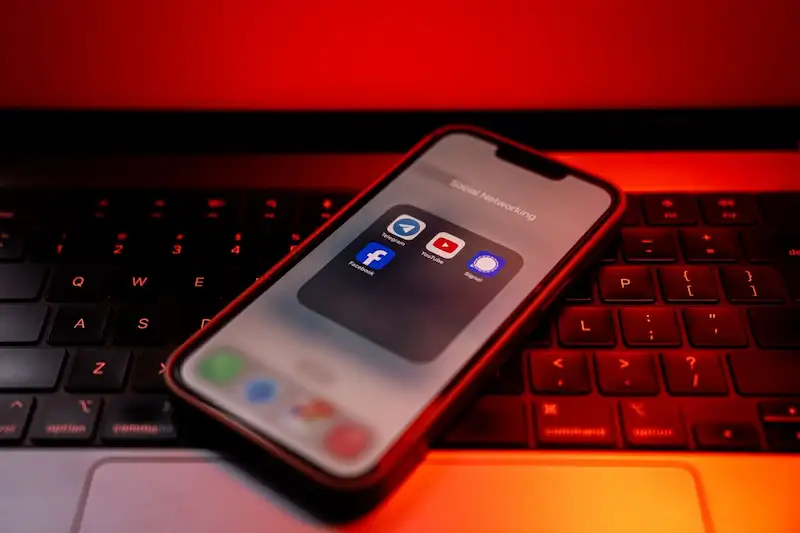


Hong Kong has firmly rejected suggestions to ban messaging apps like Telegram and Signal under its proposed domestic security law, quelling concerns raised during a public consultation period. The government clarified that it has no plans to prohibit any social media platforms, stating that the upcoming legislation, known as Article 23, will specifically target individuals who misuse communication apps to disseminate information that poses a threat to national security.
Secretary for Justice Paul Lam emphasized to the Legislative Council that Hong Kong's intention with the security law is not to curtail access to messaging platforms, but rather to address instances where these tools are exploited to endanger the city's security. The government's stance comes amidst a backdrop of heightened scrutiny over free expression, particularly following China's recent crackdown on information access.
The proposed security law has drawn mixed reactions from the public, with concerns raised about its potential impact on open discussion and the economy. While some questioned the necessity of Article 23 and its overlap with existing security laws, there was a notable lack of significant opposition to the legislation. The report summarizing the feedback revealed a diverse range of views, including suggestions such as preventing overseas residents from returning solely for medical treatment and requiring public housing residents to pledge loyalty to the government.
For decades, Hong Kong has grappled with the challenge of enacting its own security legislation in compliance with its constitutional obligations, often facing strong public resistance. However, the political landscape shifted following Beijing-imposed measures in 2020 that clamped down on dissent, paving the way for smoother implementation of the security law. The government's recent actions, including the closure of critical media outlets and attempts to censor dissenting content, signal a concerning trend towards tighter control over information and expression.
If successful, the efforts to erase symbolic protest songs like "Glory to Hong Kong" from the internet could set a precedent for increased censorship that directly challenges the freedoms traditionally enjoyed in the former British colony. This move could also raise legal risks for global tech giants, like Google and Meta Platforms Inc., which have previously navigated China's censorship demands by exiting the market. As Hong Kong inches closer to enacting the controversial security law, the implications for freedom of expression and access to information remain a pressing concern for both residents and observers worldwide.