




A recent study conducted by the Institute of International and European Affairs in Dublin has shed light on the significant financial implications that a potential reunification of Ireland would entail. The study indicates that if Northern Ireland were to unite with the Republic of Ireland, it would come at a cost of approximately 5% of the Republic's Gross National Income (GNI). This figure could potentially rise to 10% of GNI if adjustments are made to align welfare payments and public sector wages between the two regions, significantly impacting public expenditure.
The report's findings suggest that such a financial burden on the Republic of Ireland would result in substantial tax increases and cuts to public expenditure. According to John FitzGerald, one of the authors of the study, the pressure on Ireland's economy to fund the needs of Northern Ireland would lead to a drastic reduction in the living standards of the Irish people. This raises concerns about the feasibility and sustainability of Irish unity without imposing economic strains on its citizens.
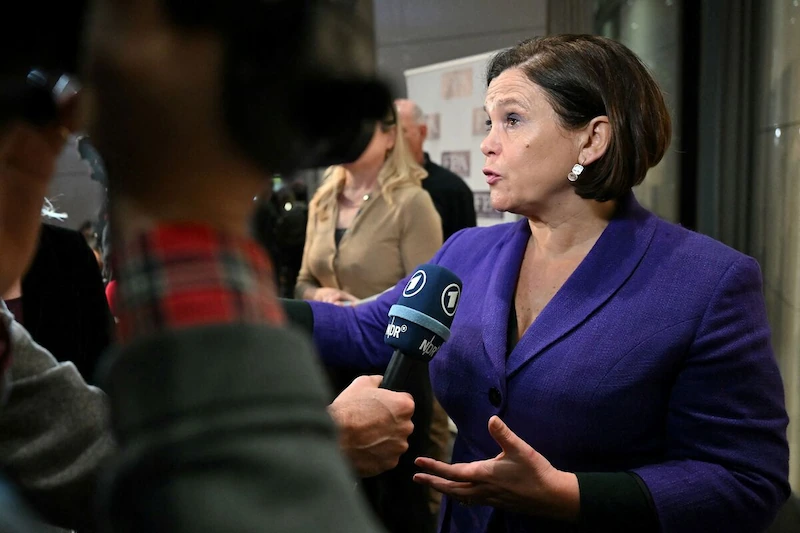
Sinn Fein, a prominent political party advocating for Irish unity, has been actively campaigning for a united Ireland. However, the report highlights the economic challenges that must be addressed before such a significant political change can occur. The disparity in productivity levels between Northern Ireland and the rest of the UK is identified as a key issue that needs to be resolved to mitigate the financial implications of reunification.
While the authors of the study acknowledge that steps can be taken to alleviate the financial burden of reunification, such as enhancing productivity in Northern Ireland, they predict that it would take a minimum of two decades to significantly narrow the productivity gap. This implies that any plans for Irish unity must be accompanied by long-term economic strategies to ensure a smooth transition and minimize the adverse effects on both regions' economies.