


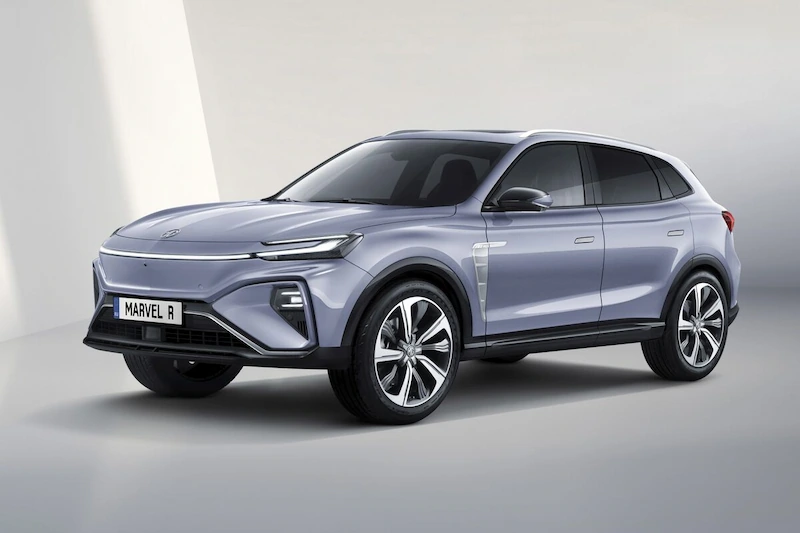


Amid escalating trade tensions, the European Union has announced it will be enforcing additional tariffs on electric cars imported from China, with levies set to increase to as much as 48% starting next month. This decision, affecting major Chinese car manufacturers like BYD, Geely, and SAIC, follows a comprehensive investigation into subsidies that commenced last year. Notably, SAIC Motor Corp., the owner of the British brand MG, which has been making significant strides in the European market with models like the MG4, will be the most heavily impacted, facing a combined duty of 48.1%.
While the EU's move has drawn criticism from China, with the Ministry of Commerce vowing to protect the interests of Chinese companies, this decision also takes a toll on Western carmakers producing in China, such as Tesla, BMW, and Renault. They, too, face increased costs. The European Commission aims to address what it sees as an imbalance in trade and ensure that the market remains open to electric vehicle producers adhering to international trade regulations.
The introduction of these tariffs is expected to reduce Chinese electric car imports by approximately a quarter, equating to a value of around $4 billion. Despite the EU's rationale centered on fair competition and sustainability, concerns have been raised regarding the impact these tariffs may have on the climate transition, as they could lead to a rise in electric vehicle prices. German Chancellor Olaf Scholz has cautioned against restricting automotive trade with China, emphasizing the importance of open markets for all companies.
As the EU takes a firm stance on trade issues, Western manufacturers like Mercedes-Benz, Volkswagen, and BMW have expressed apprehension over potential repercussions on their sales in China. The ongoing trade disputes underscore the delicate balance between preserving domestic industries and advancing green technologies. With the EU aligning closely with the US in adopting stringent trade measures against China, the global landscape for electric vehicles is poised for further complexities and challenges in the coming years.