


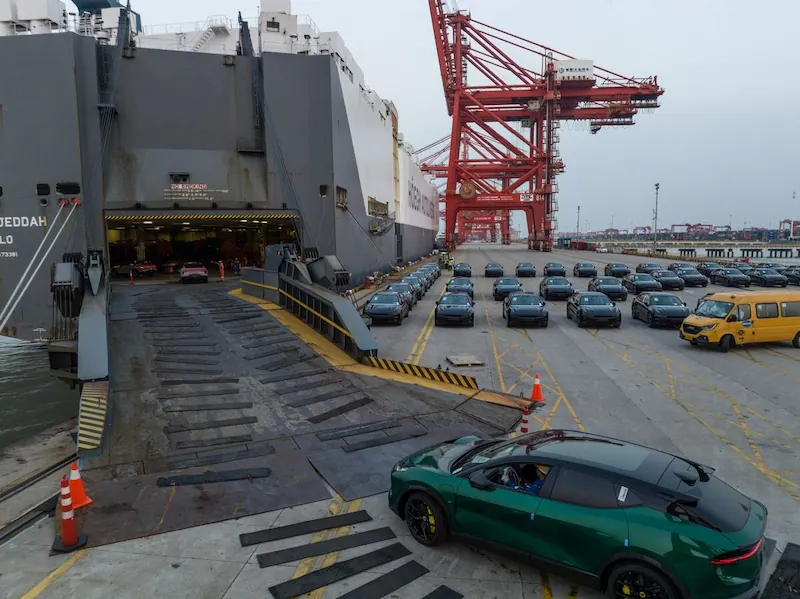


In a proactive move to prevent the implementation of the European Union's new tariffs on Chinese electric vehicles, the German government is engaging in diplomatic efforts to either entirely stop the tariffs or significantly reduce their impact. Sources familiar with the matter reveal that officials in Berlin are optimistic about reaching a resolution through direct negotiations with China, believing that a mutually beneficial solution can be found before the tariffs are set to come into effect on July 4.
Germany, as the largest economy in Europe, has been actively advocating for a negotiated settlement with China, asserting that there is still room for dialogue and compromise before the tariffs are enforced. German officials are confident in their position and believe they have support from other EU member states, emphasizing the need for both China and the EU to make concessions for a successful agreement.
Following the EU's decision on Wednesday to impose additional tariffs on Chinese electric cars, tensions have escalated between the two sides. The tariffs, which could reach up to 48% depending on the level of cooperation from the companies involved, target Chinese automakers such as BYD, Geely, and SAIC, prompting strong reactions from China who has threatened retaliatory measures across multiple sectors.
German Economy Minister Robert Habeck has expressed optimism about halting the tariff escalation and plans to address the issue during his upcoming visit to China next week. Emphasizing the importance of political intervention in such matters, Habeck has underscored the need for a diplomatic resolution rather than automatic imposition of tariffs.
As the situation unfolds, German manufacturers like Volkswagen, Mercedes-Benz, and BMW, who heavily rely on the Chinese market, stand to be affected by any tit-for-tat measures. The German government remains in close coordination with the European Commission, which is leading the negotiations with China, highlighting the collaborative approach taken to safeguard the interests of EU member states and promote a balanced trade relationship with China.