


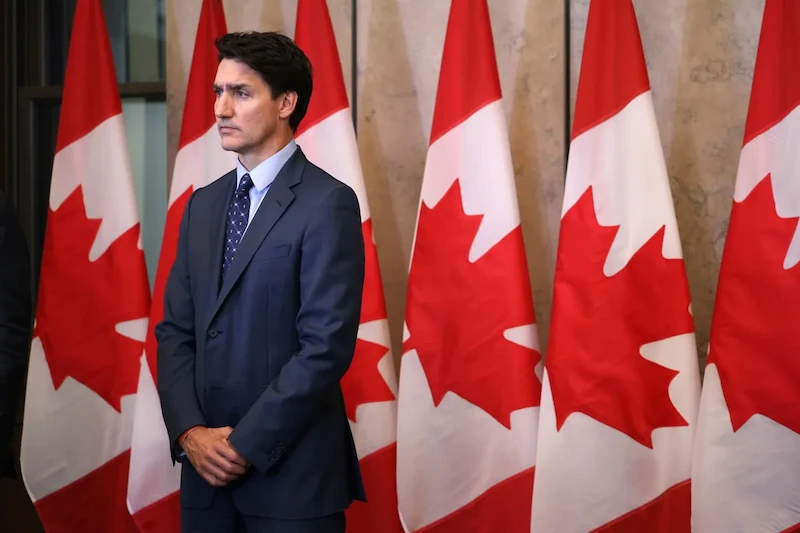


In a bold move aimed at combating climate change, Prime Minister Justin Trudeau's government has announced a stringent policy that will require Canada's oil and gas industry to slash emissions by 35% from 2019 levels. The plan, to be executed through a cap-and-trade system, establishes a firm limit on sector emissions, with companies having the option to trade a set number of emissions allowances.
Through this mechanism, companies that innovate to reduce pollution will be incentivized, as they can sell surplus allowances. Environment Minister Steven Guilbeault emphasized the need for oil and gas companies, which have enjoyed substantial profits, to reinvest in emission-reducing technologies that will not only benefit the environment but also create job opportunities for Canadian workers and businesses.
While the government is expected to begin enforcing the emissions cap in 2030, with a gradual reduction leading to Canada's economy achieving net zero emissions by 2050, reactions from key players have been contentious. Alberta's premier, representing the oil-rich province of Alberta, has hinted at potential legal challenges, while the Canadian Association of Petroleum Producers has raised concerns about the policy's effect on production levels.
As Canada solidifies its position as one of the world's top oil and gas producers, the emissions cap will span a wide range of activities, including oil sands extraction and the emerging liquefied natural gas sector. Trudeau's administration is also eyeing accelerated adoption of carbon capture technology to further mitigate emissions.
While Canada already has a national carbon pricing mechanism in place, additional measures like the "carbon contract for difference" and investment tax credits are being utilized to support emission reduction efforts. Notably, the Pathways Alliance consortium, consisting of major oil sands producers, is planning a groundbreaking carbon capture project, yet formal agreements with the government are pending.
With federal elections looming in late 2025, the fate of the emissions cap remains uncertain. Conservative Leader Pierre Poilievre, currently leading in polls, has indicated intentions to dismantle several of Trudeau's climate initiatives if elected, casting a shadow over the long-term viability of the emissions reduction plan.