


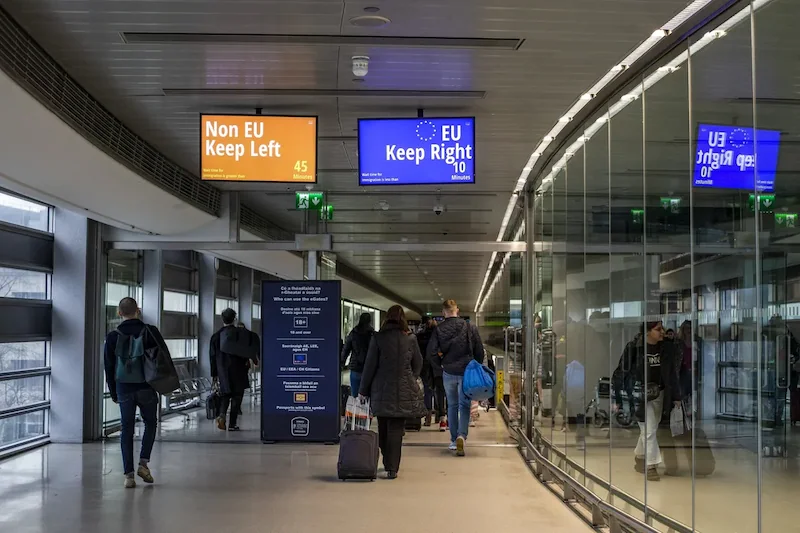


In a significant development for Dublin Airport and the aviation industry, Ireland's High Court has agreed to halt the implementation of a passenger cap for summer 2025. This decision comes after leading airlines Ryanair Holdings Plc and Aer Lingus urgently sought intervention, arguing that the proposed limit of 25 million passengers would severely impact their access to crucial airport slots.
Justice Barry O’Donnell's ruling on Monday acknowledged the broader implications of the passenger cap, noting its potential negative effects not only on the airlines but also on the public and the economy at large. The cap, initially proposed by the Irish Aviation Authority to comply with 2007 planning regulations related to airport surroundings, aimed to address concerns about noise and congestion.
The move to restrict capacity at Dublin Airport reflects a broader trend seen in European hubs as cities navigate the resurgence of travel post-pandemic while addressing local residents' qualms. Notably, the Dutch government recently abandoned similar restrictions at Amsterdam Airport following backlash from airlines and the travel industry.
In a show of solidarity, Airlines for America, representing major carriers including Delta Air Lines and United Airlines Holdings Inc, also raised objections to the cap, citing a potential violation of the US-EU Open Skies agreement. Ryanair's outspoken CEO, Michael O’Leary, denounced the cap as "outdated" and "absurd," emphasizing the need for a more flexible approach.
Looking ahead, both Ryanair and Aer Lingus are set to challenge a separate cap on winter slots, with a court hearing scheduled for early December. Concurrently, Dublin Airport's authority, daa, is also contesting the winter slot restrictions, albeit for different reasons, as it seeks further adjustments to ensure compliance with the overall passenger cap in 2024.
The origins of the annual 32 million passenger cap trace back to planning conditions set by Ireland’s regulatory body for the construction of a second terminal at Dublin Airport, primarily due to concerns over the airport's road infrastructure. While the Irish Aviation Authority acknowledged the court's decision, it clarified that the imposed constraints stem from planning conditions rather than direct actions by the IAA.
As the legal battle unfolds and discussions continue, the outcome will undoubtedly have far-reaching implications for Dublin Airport, the airlines operating there, and the future of air travel in Ireland.