


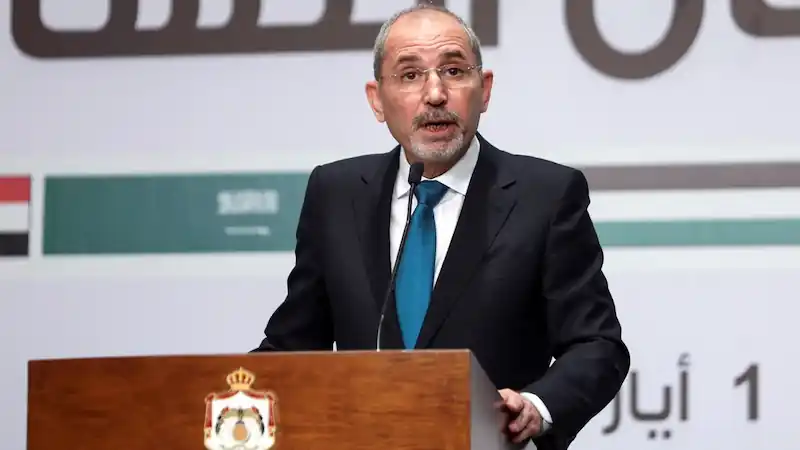


In defiance of US objections, Arab nations are set to welcome Syria back into the Arab League after a decade of isolation. In a recent interview, Jordanian Foreign Minister Ayman Safadi stated that there are enough votes among Arab League members to re-admit Syria, and that Jordan has kept the US informed of its efforts to rebuild ties with the regime. The move is seen by officials and analysts as a symbolic step towards the rehabilitation of President Bashar al-Assad and the potential removal of crippling sanctions against his regime.
However, the US has made it clear that it does not support such plans. In a recent State Department briefing, Deputy Spokesperson Vedant Patel stated that the US “will not normalize relations with the Assad regime and we do not support others normalizing with Damascus either”. Patel went on to say that the US believes the only viable solution to the conflict in Syria is a political one outlined in UN Security Council Resolution 2254.
Arab states argue that the current situation in Syria is untenable and has caused problems for the region, with Syria becoming a narco-state and exporting highly addictive amphetamines across the border to Jordan and Saudi Arabia. In the absence of progress from the international community to end the war, Arab states are insisting on finding a regional solution, even if that means making peace with a regime that has been accused of war crimes.
Syria has been under Western sanctions for years, with the most prominent being the US’ 2019 Caesar Act, which imposed wide-ranging sanctions that restricted individuals, companies, or governments from economic activities assisting Assad’s war effort. The UN reports that the levels of poverty and food insecurity faced by Syrians today are unprecedented. The World Food Programme estimates that, as of 2022, more than 12 million Syrians – more than half of the country’s population – are food insecure.
It is unclear if the US will stand in the way of Arab states’ efforts to bring Syria back into the regional fold. Jordan and other Arab countries are constantly discussing the matter with Washington and working towards a solution that is consistent with UN Resolution 2254. Analysts say that while Western states may object to the normalization, they are unlikely to translate that objection into any kind of action against the Arab states, citing other international issues that take priority, as well as fatigue with the Syrian question.
It is also uncertain whether normalization with Arab states will bring any foreign policy or security benefits to the US, and therefore, it may not be pursued, especially ahead of the presidential elections next year. Arab normalization, however, may be seen in a positive light in Washington despite its public objections as it “strengthens regional leadership on regional issues.” Analysts suggest that, given the wide-ranging scope of the sanctions on the regime, Syria is more likely to get a political lifeline from normalization than an economic one, at least until Arab states can persuade the international community to embrace the Syrian president.