


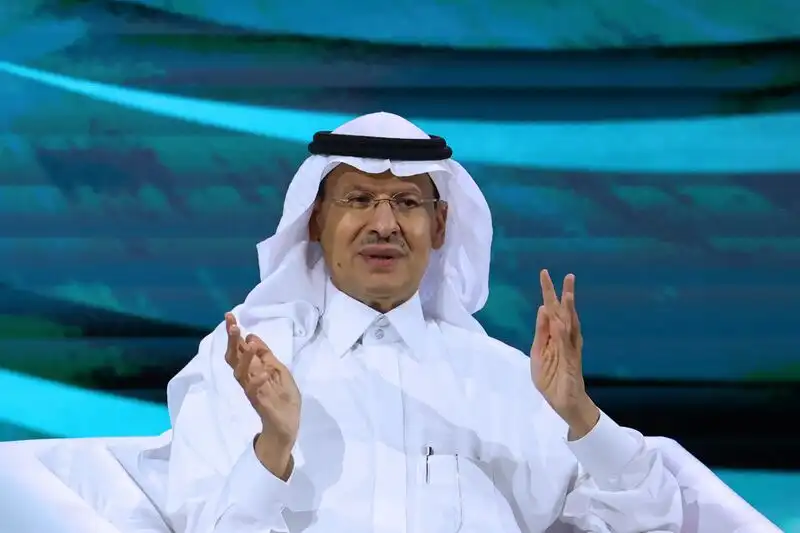


Oil traders are taking a calculated risk as they start to ignore the Saudi Arabian Energy Minister, Prince Abdulaziz bin Salman, who is regarded as the most important person in the market. Despite the Prince's pledge last week to cut crude oil production, traders are displaying less response than expected, potentially creating a risky situation in the market.
Prince Abdulaziz bin Salman pledged last week to cut crude oil production in July to the lowest level in over a decade; however, traders are starting to look elsewhere for the most significant indicators affecting the market. While there have been bigger output cuts in recent months, the symbolism of the Prince's pledge was important, and he left open the possibility of extending the curb. It also came on the back of a litany of comments that suggest the prince wants to hurt those who speculate on lower prices.
Despite expectations that oil demand will outstrip supply in the coming months, traders have become more bearish, leading to concerns about the fate of China's economy, which for years has been the bedrock of demand growth. The Chinese economy has weakened recently, as the country's Purchasing Manufacturing Index fell to 48.8 last month, which was lower than expected. While the Chinese economy may accelerate anew, it has a lot of crude oil stockpiles to use up, which may further exacerbate bearish sentiment.
Another significant worry for traders is the boomed shipments of Russian crude oil in the face of western sanctions, which appear to have had no effect on Russia's crude oil exports. Meanwhile, industrial production, which is a close proxy for diesel demand, has been in contraction worldwide for the last nine months. This week, the US downgraded its consumption outlook for road fuel.
Despite Prince Abdulaziz bin Salman's efforts, the OPEC+ supply cuts are having less of an impact, as supply cuts are combined with a less-rosy picture of global demand. The International Energy Agency's (IEA) anticipated demand for the second-quarter rose from second- to fourth-quarter by 900,000 barrels a day. While demand is expected to expand by a robust 1.8 million barrels a day, some analysts are dubious as to whether this can be achieved.
While the market has a torpor in the face of supply cuts, it is far from a risk-free bet for traders. With the kingdom effectively backstopping any decline in prices, some investors remain hopeful of meaningful market tightening in the second half of the year. Additionally, booming oil refining capacity in the Middle East and China is expected to come up against a "structural dearth of crude in the coming years." Supply cuts by OPEC+ coupled with emerging market demand growth should lead to "material draws in inventories later this year," which could cause a market shift.
However, even if the market turns, it may take time to filter through. Traders continue to wrestle with the slew of economic concerns and robust supplies that have hobbled prices for months, as they wait for physical markets to tighten as the cuts take effect. Ultimately, according to Richard Jones, an analyst at consultant Energy Aspects, "no one wants to take risk in flat price given the macro uncertainty."