


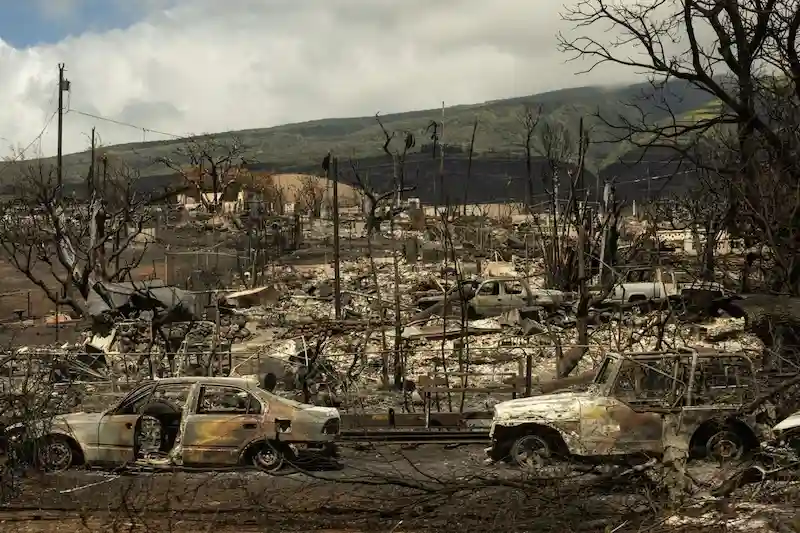


President Joe Biden and First Lady Jill Biden have expressed their intentions to visit Hawaii as soon as possible to witness the devastation caused by the wildfires in Maui. The president made this announcement while in Milwaukee, where he was delivering a speech on his economic agenda. Biden assured the public that he had been in contact with Governor Josh Green regarding the wildfires and wants to ensure that their visit does not hinder ongoing recovery efforts. The death toll from the wildfires has reached 99, and there are still individuals missing.
Concerns were raised when Biden was questioned about the rising death toll while he was at the beach in Delaware over the weekend. His response of "no comment" before heading home received criticism from conservative media outlets. In an effort to quell the controversy, Biden addressed the issue during his speech, reiterating his commitment to supporting the recovery efforts in Hawaii.
The president also mentioned his conversation with Governor Green, reassuring him that the federal government will provide whatever assistance is required. Biden highlighted the work being done by FEMA Administrator Deanne Criswell in streamlining the process for survivors to receive immediate federal assistance. The president had previously signed a disaster declaration for Hawaii, which released federal funding and additional aid to aid in the state and local recovery efforts.
The wildfires have not only overshadowed Biden's plans to highlight the one-year anniversary of the Inflation Reduction Act, a significant climate and tax bill, but they have also revived questions about how the White House determines which communities the president will visit after a tragedy or disaster. Earlier this year, the administration faced scrutiny for not visiting East Palestine, Ohio, after a train derailment and subsequent fire caused concerns about contamination. Biden's absence was criticized as an example of neglect towards small, working-class communities.
The wildfires in Maui are just one example of the extreme weather events that have been plaguing communities in the United States and around the world. July was declared the hottest month on record, with temperatures exceeding 100°F (55.556°C) in some US cities. American cities have also been affected by wildfires in Canada, which have resulted in thick, toxic smoke blanketing the sky.
President Biden has repeatedly emphasized the connection between extreme heat and climate change, noting that it costs the US $100 billion annually. He has used these weather events to highlight the measures outlined in the Inflation Reduction Act, aimed at promoting clean energy and reducing climate impacts. However, climate activists are urging Biden to declare a national climate emergency, which would grant him broader powers to address the issue.
As of now, Biden has refrained from making such a declaration. In an interview with the Weather Channel last week, he mentioned that he had practically declared an emergency through his land conservation policies, rejoining the Paris climate agreement, and signing the Inflation Reduction Act.
In conclusion, President Biden and First Lady Jill Biden plan to visit Hawaii to assess the devastation caused by the Maui wildfires. The president has assured Governor Green that the federal government will provide necessary assistance, and efforts are underway to streamline the process for survivors to receive immediate aid. The wildfires have brought attention to the challenges posed by extreme weather events and the urgent need for comprehensive action to address climate change.