


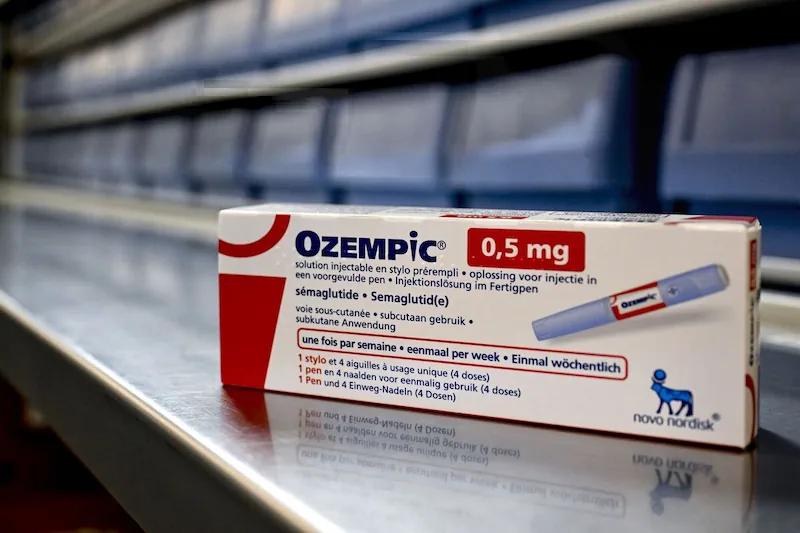


Airlines and aircraft manufacturers are constantly seeking ways to reduce aircraft weight in order to minimize jet-fuel consumption. In this pursuit, they may have found an unlikely ally in the form of weight loss medications such as Ozempic. According to Sheila Kahyaoglu, an analyst at Jefferies Financial, United Airlines Holdings Inc. could potentially save $80 million annually if the average passenger weight drops by just 10 pounds.
The potential benefits of weight loss medications extend beyond the aviation industry. Jefferies conducted a comprehensive analysis and estimated that there could be a global market worth more than $100 billion for such medicines, with sales projected to increase significantly by the end of the decade. Ozempic, manufactured by Novo Nordisk A/S, is one such medication that has shown promise in aiding weight loss.
Airlines are particularly concerned about weight due to its direct impact on fuel consumption. As a plane's weight increases, so does the amount of fuel it burns. Fuel costs, along with labor costs, make up a significant portion of airlines' expenses, with fuel accounting for around 25% of the total. Over the years, airlines have implemented various strategies to reduce weight on flights, such as eliminating magazines and opting for lighter utensils, dishes, and beverage carts.
If the average passenger were to shed 10 pounds, an estimated 1,790 pounds would be trimmed from each United flight, resulting in a potential savings of 27.6 million gallons of fuel annually. Based on an average fuel price of $2.89 per gallon in 2023, United could save $80 million per year as a result. This would translate into a 20-cent increase in earnings per share, accounting for approximately 2% of Jefferies's full-year earnings estimate of $9.50 per share.
The issue of weight is not limited to the aviation industry. According to the Centers for Disease Control and Prevention, one in three adults and one in five children are considered obese. Furthermore, the global population's overall weight is expected to increase, with an estimated 41.5% of the population falling into the overweight category this year. Given these statistics, weight loss medications have the potential to impact various industries, including pharmaceuticals, apparel (particularly athletic clothing), and cosmetics.
While weight loss medications may bring opportunities for certain industries, there could be negative effects on restaurants and some food and beverage producers if consumers shift toward healthier eating habits or reduce consumption of certain products. Additionally, the high cost of these medications may lead to reduced spending on items like furniture or travel.
As jet fuel prices continue to rise, with a 39% increase over the past three months, airlines are faced with significant challenges. Every 10-cent increase in the price of jet fuel costs airlines an estimated $2 billion annually. Therefore, the potential savings resulting from passenger weight loss could provide much-needed relief to airlines in terms of fuel expenses.
In conclusion, weight loss medications have the potential to generate substantial savings for the aviation industry and various other sectors. While the focus is primarily on reducing fuel consumption and expenses for airlines, the impact of these medications extends to multiple industries, suggesting a significant market for weight loss drugs in the coming years.