


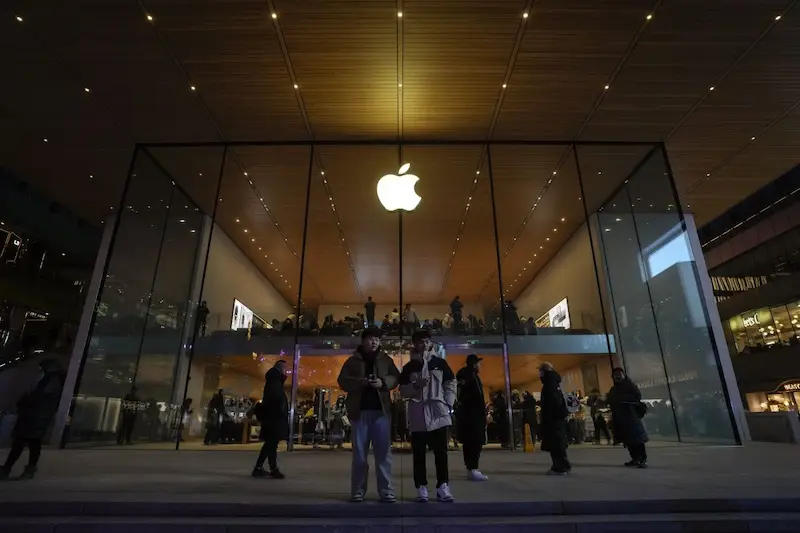


Apple Inc. is facing a further decline in iPhone sales in China, with volumes expected to slump even further this year, according to analysts at Jefferies led by Edison Lee. Last year, the latest generation of iPhones had a slow start in the Chinese market, and this trend has continued, with a recent industry check revealing a 30% year-on-year decline. In contrast, the rest of China's mobile market experienced growth in December, with Huawei Technologies Co. leading the way with its new Mate 60 device lineup.
The launch of Huawei's Mate 60 Pro just weeks before the release of the iPhone 15 in September sparked a surge in patriotic sentiment among Chinese consumers. The device, which uses a new processor developed in China, helped Huawei regain some of the customers it had lost to Apple. Jefferies estimates that Huawei shipped 35 million smartphones in 2023, with supply constraints preventing even higher numbers.
In December, Apple witnessed a double-digit decrease in iPhone volumes, and Jefferies predicts a similar decline for 2024. To stimulate growth, Apple has increased discounts on its smartphone range across various online shopping portals. However, these discounts have not yet managed to boost volume, instead leading to a decrease in the average selling price.
Apple had gained market share in China after US sanctions limited Huawei's access to leading chipmakers, such as Taiwan Semiconductor Manufacturing Co., in 2020. However, Huawei has made a comeback in the mobile market, reclaiming market share and working on developing its own software ecosystem to compete with Apple's iOS and Alphabet Inc.'s Android.
As Apple grapples with further declines in iPhone sales in China, the company may need to reevaluate its strategy in the Chinese market. The rise of Huawei and its success in recapturing customers highlights the importance of understanding local preferences and consumer sentiments. Additionally, as Huawei works to establish its own ecosystem, Apple may face increased competition not only from hardware but also from software and services perspectives.
Despite these challenges, Apple remains a household name and has a dedicated user base in China. It will be interesting to see how the company responds to the changing dynamics of the Chinese market and whether it can regain its momentum in the face of fierce competition from local players like Huawei.