


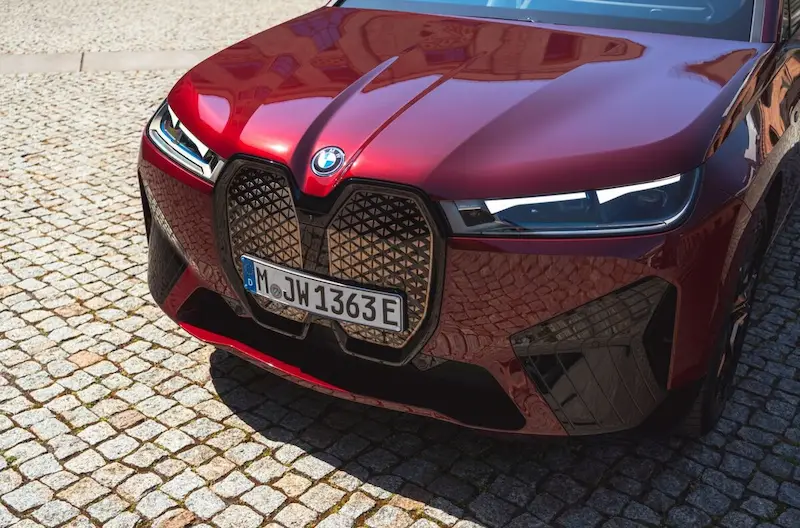


BMW AG has experienced a surge in demand for its luxury gasoline-powered cars, reaching its highest point last year. However, the German premium-car maker is now shifting its focus towards electric models, as it expects them to lead future growth.
According to BMW's Chief Financial Officer, Walter Mertl, the company has received a significant number of orders for its battery-powered vehicles. In fact, BMW aims to sell half a million electric vehicles this year, which would account for roughly 20% of its total deliveries. The carmaker witnessed a 75% increase in EV sales last year, driven by models like the i4 sedan. Additionally, as overall sales growth has slowed in the US and some European countries, electric vehicles are gaining popularity.
Mertl believes that last year marked a tipping point for combustion engines due to regulations aimed at reducing carbon dioxide emissions. As a result, BMW anticipates that future volume growth will primarily come from battery electric vehicles. However, the pace of demand acceleration for EVs has become less clear. While the market is still growing, carmakers have faced challenges due to Tesla's price war and consumer uncertainty regarding charging infrastructure and high price tags.
This slowdown has led car manufacturers like Ford and General Motors to scale back their ambitious electric vehicle rollout plans. BMW's competitor, Audi, has also decided to reduce the number of models it will bring to market in order to avoid burdening factories and dealerships during this period of deceleration. Despite these challenges, BMW remains optimistic. The company witnessed strong electric vehicle orders towards the end of last year, particularly in Europe, and expects this trend to continue. Furthermore, the introduction of the new i5 sedan and additional electric vehicles under the Mini brand is expected to further boost sales.
BMW is preparing for a major shift next year with the introduction of its "Neue Klasse" vehicle underpinnings. This technology aims to halve battery costs compared to the carmaker's current generation, thereby improving the margins of electric vehicles. As a result, by the end of this decade, BMW predicts that its EVs will have higher returns than its combustion-engine cars.
Overall, BMW's transition towards electric vehicles signifies a significant shift in the company's strategy. While demand for gasoline-powered cars peaked last year, the focus is now on expanding the electric vehicle market. With strong sales expected and advancements in technology, BMW aims to establish its presence in the electric vehicle market and contribute to a greener future.