


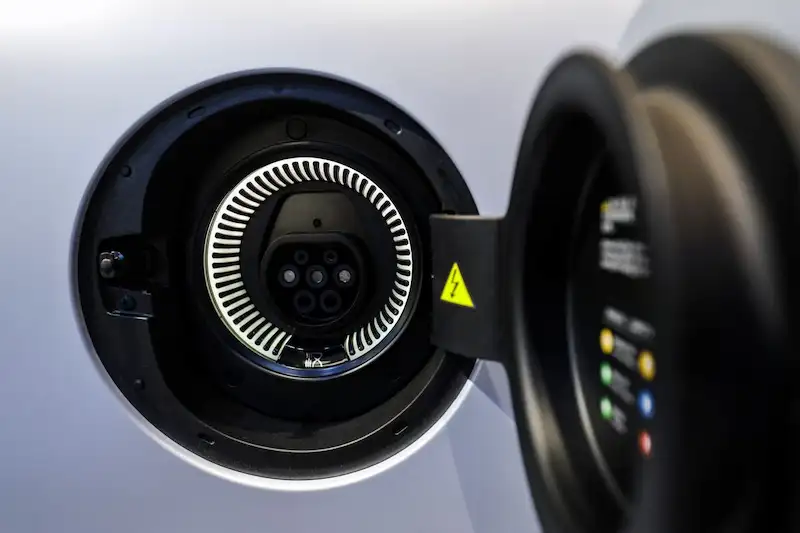


In a significant development within the realm of international trade relations, the European Union (EU) is poised to levy additional tariffs on electric vehicles imported from China. This decision stems from a recent investigation by the European Commission, which unearthed compelling evidence suggesting that the Chinese government has been providing illegal financial support to the electric vehicle industry. The inquiry, initiated in October, has brought to light various forms of subsidies extended to Chinese electric vehicle manufacturers, including direct financial transfers, tax breaks, and the provision of goods or services below market prices.
This move by the EU to potentially impose tariffs on Chinese electric vehicles is part of a broader strategy aimed at safeguarding supply chains and promoting domestic production, particularly in critical sectors such as semiconductors and pharmaceuticals. The investigation's findings have strained already delicate relations between the EU and Beijing, with China responding by launching its own anti-dumping probe into brandy imports from the EU, in what is perceived as a retaliatory measure against France for supporting the electric vehicle investigation.
The European Commission, in its assessment, noted a considerable surge in the import of Chinese electric vehicles over a relatively short period, with a notable 14% increase observed since the commencement of the investigation compared to the preceding year. The EU has underscored concerns that sustained high levels of imports could negatively impact European manufacturers by eroding sales and production levels. Consequently, the commission has instructed customs authorities to commence registration of Chinese electric vehicle imports, suggesting the imposition of countervailing duties retroactively to address the injury already inflicted on the domestic industry.
While the specific manufacturers targeted in the investigation have not been disclosed, the probe is expected to encompass all Chinese exporters of electric vehicles to the EU. This includes prominent brands like BYD Co., SAIC Motor Corp., and Nio Inc., alongside global entities such as Tesla Inc. The potential imposition of tariffs could not only restrict access to one of the primary markets for Chinese electric vehicle exports but may also trigger a series of protective measures across other markets, such as the UK, to prevent a diversion of vehicles from the EU.
The escalating trade tensions between the EU and China underscore a growing apprehension within the bloc regarding China's substantial use of state support in critical industries. As the investigation progresses and the possibility of tariffs looms large, the implications for the global electric vehicle market, as well as broader trade dynamics between the EU and China, are set to unfold in the coming months.