


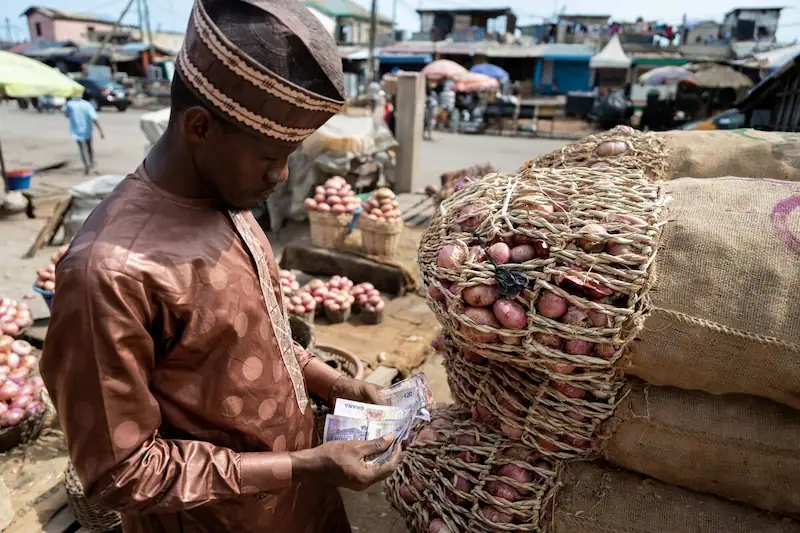


In recent months, a devastating surge in hunger has swept across West Africa, leaving nearly 55 million people at risk of food insecurity in the coming months. This staggering figure represents an alarming 12% increase compared to the same period last year, with 4 million more individuals projected to struggle with access to food. The World Food Program (WFP) has highlighted the role of soaring inflation and currency devaluations as key drivers of this deepening crisis in the region.
Among the contributing factors exacerbating the food crisis, trade sanctions imposed on military regimes have further compounded the challenges faced by communities in West Africa. The impact of economic instability has been particularly pronounced in countries experiencing higher inflation rates, with Nigeria, Ghana, and Sierra Leone bearing the brunt of these effects.
One of the most alarming trends is the tenfold increase in prices of staple grains across the region, surpassing their five-year averages. This surge in prices has been fueled by weakened local currencies, as well as rising fuel and transport costs. Additionally, the region faces a significant deficit of 12 million tons in cereal production for the upcoming 2023-24 agricultural season, further straining food availability for vulnerable populations.
The restrictions on food exports implemented by some countries during the COVID-19 pandemic have also had a detrimental impact on regional trade and food supply chains, exacerbating the challenges faced by communities already grappling with food insecurity. The cumulative effect of these factors has led to a situation where the cost of food and transportation has significantly increased, perpetuating a long-term cycle of food insecurity in the region.
Notably, Nigeria, as Africa's most populous nation, is home to the highest number of food-insecure individuals, with over 26 million people now facing the threat of hunger, a stark increase from the previous year. Additionally, food insecurity levels have reached unprecedented heights in eastern Chad, traditionally a region where food sufficiency was maintained. The influx of tens of thousands of refugees fleeing a civil war in neighboring Sudan has strained local resources, further exacerbating the hunger crisis in the area.
As West Africa grapples with these escalating challenges, urgent and coordinated efforts are required to address the root causes of food insecurity and mitigate the impacts on vulnerable populations. The need for sustainable solutions, increased support, and effective policies to bolster food security in the region has never been more pressing.