


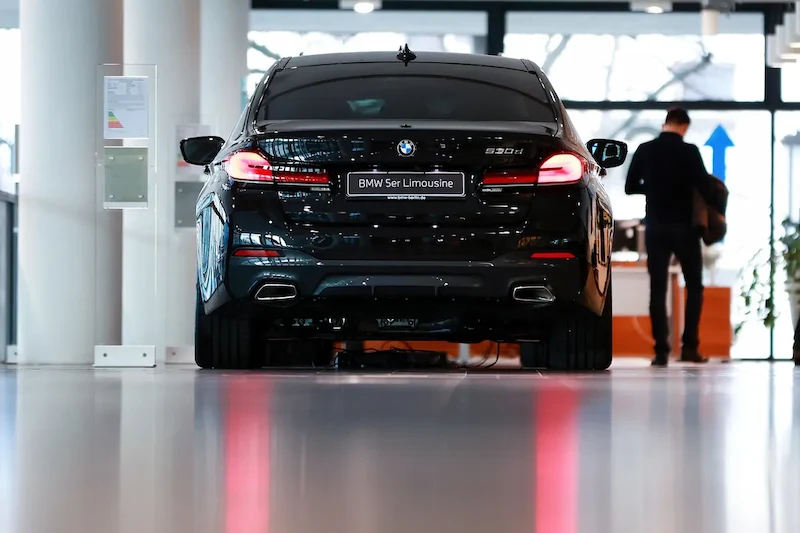


In a significant move, BMW AG has announced a recall of close to 700,000 vehicles in China due to issues with coolant pumps, marking yet another setback for the renowned German automaker. The recall will encompass 499,539 cars manufactured locally and 188,371 imported vehicles, with affected models including popular series like the 3 Series, 5 Series, and various X Series SUVs.
The problem at hand revolves around faulty coolant pump plugs, which may deteriorate and lead to corrosion or rust, potentially resulting in short circuits and, in severe cases, even fires. This latest development comes on the heels of a recent decline in BMW's sales figures in China, its largest market in terms of revenue. Notably, the company witnessed a 30% drop in shipments of BMW and Mini brand vehicles in the region during the third quarter, marking its sharpest decline in over four years.
This recall announcement also follows a series of challenges faced by BMW, including a profit warning issued back in September due to a massive global recall of 1.5 million cars related to defective braking systems supplied by Continental AG. The estimated costs of remedying these issues are substantial, nearing €1 billion ($1.1 billion).
BMW's response to the coolant pump defect began in August when the problem was first identified, with the company promptly alerting Chinese authorities and initiating an investigation. While repairs are expected to take around three hours per vehicle, BMW has confirmed that European models are not affected by this particular issue. It remains unclear why the recall actions in China are scheduled to commence in March 2025, as per the automaker's spokesperson.