


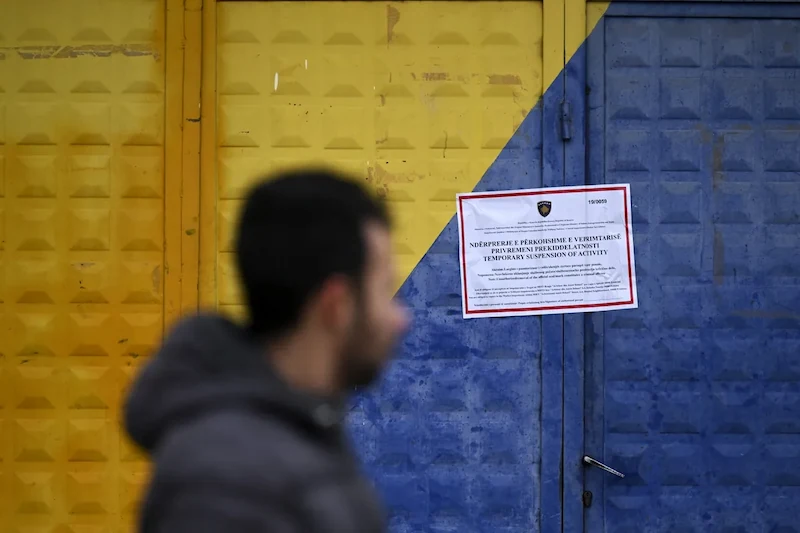


Kosovo's government made a bold move by shutting down more than two dozen Serb-run institutions on its territory, causing potential tensions in the Balkan nation just weeks before a crucial parliamentary election. The closures targeted municipal offices and tax facilities in 10 locations, highlighting the government's determination to dismantle what it called "criminal and illegal" structures in predominantly Serb-populated areas.
Interior Minister Xhelal Svecla emphasized the necessity of ending the existence of parallel Serbian institutions in Kosovo, referring to the 28 targeted facilities. This decision triggered a swift and intense reaction from the Serbian government, further escalating tensions that have been mounting since a deadly cross-border shootout in 2023 that claimed the life of a Kosovo police officer. The closures also set the stage for the upcoming election on Feb. 9, where Prime Minister Albin Kurti is vying for an extension of his term.
Last year, Kurti's administration initiated efforts to close down Serb offices in northern Kosovo and restrict the use of the Serbian dinar, drawing criticism from the US and EU for potentially fueling ethnic tensions. The EU specifically expressed concerns about Kosovo's obligations in the normalisation process with the actions taken during the election campaign, which could impact its path toward EU membership.
The Serbian government accused Kurti of exploiting these closures for political gain and jeopardizing the ongoing dialog between Kosovo and Serbia. Serbian President Aleksandar Vucic has been vocal about Kurti pressuring the Serb community to leave Kosovo and has called for the enforcement of an EU-brokered deal granting autonomy to the Serb community.
Despite the tensions, Kosovo authorities defended the closures of the Serb-run institutions as necessary to assert state control. The upcoming election will see Kurti's Self-Determination Movement defending its majority in the assembly, in addition to other parties competing for seats reserved for minorities, including the Serbian List supported by Belgrade.
Tensions persist in northern Kosovo following the 2023 attack, with Kurti demanding the handover of an individual who claimed responsibility for the assault. In light of these developments, NATO Secretary General Mark Rutte stated the organization's commitment to ensuring stability during Kosovo's parliamentary election, underscoring the importance of maintaining peace and security in the region.